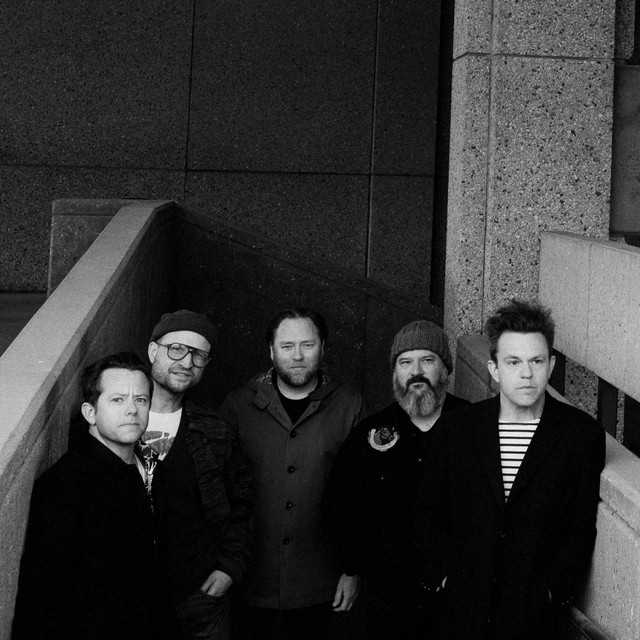
The Get Up Kids, a band synonymous with the second-wave emo movement, crafted a sound that has resonated for decades, influencing a generation of musicians and listeners. Their journey from the basements of Kansas City to international stages is a story of artistic evolution, commercial success, and enduring cultural relevance. For fans who gather at events like Emo Night Pittsburgh, the band’s music remains a touchstone, a vibrant reminder of a pivotal era in alternative rock. This biography provides a chronological history and analysis of their career, exploring their formation, discography, and lasting impact on the music scene.
Formation and Early Era
The foundation of The Get Up Kids was laid in the fertile grounds of the 1990s Midwest emo scene. It was a time of DIY ethics, passionate performances, and a burgeoning network of bands building a community outside the mainstream. The members’ early experiences in local bands would soon converge to create one of the genre’s most definitive acts.
Origins and Formation
The Get Up Kids formed in Kansas City, Missouri, on October 14, 1995. The initial lineup consisted of Matt Pryor (vocals, guitar), Jim Suptic (guitar, vocals), Rob Pope (bass), and Thomas Becker (drums). Pryor and Suptic, having been in separate local bands (Secret Decoder Ring and Kingpin, respectively), united with Pope to form a new project. The band’s name was a pragmatic choice; they reasoned that a name starting with “G” would be more visible in record store bins than one starting with “S.” Their first show, fittingly, was opening for fellow emo pioneers Mineral. Shortly after their formation, Becker departed for college and was briefly replaced by Nathan Shay before Rob Pope’s younger brother, Ryan Pope, took over drumming duties in April 1996, solidifying the core lineup that would define their most influential period.
Early Discography
The band quickly began to build a following through relentless touring and a series of 7-inch releases. Their first, “Shorty/The Breathing Method,” was self-released in 1996. This was followed by EPs like Woodson and a split with the band Braid, which helped cement their status within the burgeoning emo and indie rock community. These early recordings showcased a raw, energetic sound, characterized by intertwining guitar melodies, urgent vocals, and a palpable sense of youthful sincerity. In 1997, they signed with Doghouse Records, who offered them a modest $4,000 to record their debut full-length album. The result was Four Minute Mile, recorded in just two days with producer Bob Weston. The album was a raw, unpolished mission statement, capturing the frenetic energy of their live shows. It sold over 40,000 copies, a remarkable achievement for an independent release, and brought the band significant attention from larger labels.
The Mainstream Breakthrough
As the ’90s drew to a close, the underground buzz surrounding The Get Up Kids reached a fever pitch. Their transition from a beloved indie act to a genre-defining powerhouse was driven by a pivotal album that not only changed their trajectory but also helped propel emo into the mainstream consciousness.
Pivotal Album(s) and Lineup Changes
The breakthrough moment for The Get Up Kids arrived with their second studio album, Something to Write Home About, released in 1999 on Vagrant Records. This album marked a significant sonic evolution. While retaining the emotional core of their earlier work, the production was cleaner, the hooks were sharper, and the songwriting more focused. The album introduced a more polished, power-pop sensibility to their emo roots, a change that broadened their appeal immensely. It was also during this period that the lineup expanded to include James Dewees on keyboards. Dewees, who had befriended the band while drumming for Coalesce, added a new melodic layer to their sound, with his synthesizer lines becoming a signature element on tracks like “Action & Action.” His addition was crucial in shaping the more refined and accessible sound of their new material, which would become a hallmark for many attendees of a modern Pittsburgh Emo Night.
Achieving Critical and Commercial Success
Something to Write Home About was a watershed moment. It transformed Vagrant Records from a struggling indie label into a major player and became one of the most iconic albums of the second-wave emo era. The album sold over 140,000 copies and earned the band widespread critical acclaim. It was the record that launched them from playing basement shows to headlining international tours and sharing stages with major acts like Green Day and Weezer. The album’s blend of heartfelt lyrics, infectious melodies, and energetic instrumentation struck a chord with a massive audience. Songs like “Holiday,” “Ten Minutes,” and “I’ll Catch You” became anthems for a generation of fans, solidifying the band’s status as leaders of the burgeoning pop-punk and emo scene.
Musical Evolution and Key Events
Following their mainstream breakthrough, The Get Up Kids faced the challenge of navigating newfound success while staying true to their artistic vision. The subsequent years were marked by sonic experimentation, internal pressures, and eventually, a necessary pause.
Mid-career Albums and Sonic Shifts
The follow-up to a landmark album is often fraught with expectation, and for The Get Up Kids, 2002’s On a Wire was a deliberate departure from the sound that made them famous. The album was more somber, acoustic, and introspective, showcasing a significant shift towards a more mature, alternative rock sound. While it alienated some fans who expected another Something to Write Home About, it demonstrated the band’s desire to evolve beyond the “emo” label they had begun to resent. Their fourth album, 2004’s Guilt Show, found a middle ground, blending the polished rock of On a Wire with some of the energetic sensibilities of their earlier work. These albums reflected a band in transition, grappling with their identity and pushing the boundaries of their sound.
Hiatus, Reunions, or Significant Member Departures
Years of relentless touring and the pressures of success eventually took their toll. In 2004, the band announced they would be breaking up following a final tour, culminating in a sold-out farewell show in their hometown of Kansas City in July 2005. The members pursued various side projects, including Matt Pryor’s The New Amsterdams and James Dewees’ Reggie and the Full Effect. However, the separation was not permanent. In 2008, the band announced they were reuniting for a tour to celebrate the tenth anniversary of Something to Write Home About. This reunion was met with immense enthusiasm from fans, proving their music’s enduring appeal. The reunion was not merely for nostalgia; it sparked a new creative period for the band.
Modern Era
The reunion of The Get Up Kids was not a temporary victory lap but the beginning of a new chapter. In their modern era, the band has continued to record and tour, balancing their legacy with a continued drive to create new music for both longtime followers and new listeners.
Recent Albums and Contemporary Activity
Following their reunion, The Get Up Kids released their fifth studio album, There Are Rules, in 2011. The album saw the band experimenting with more synthesized and post-punk influences, another bold step in their sonic journey. After another period of relative quiet, they returned with the Kicker EP in 2018, followed by their sixth full-length album, Problems, in 2019. These releases were hailed as a return to form by many, capturing the classic Get Up Kids energy while showcasing their growth as musicians and songwriters. The band continues to tour actively, including anniversary tours for their classic albums, connecting with the dedicated fanbase that has supported them for over two decades. Their continued presence and output solidify their place in the history of alternative music, and their songs remain staples at events celebrating the genre, such as Emo Night Pittsburgh.
Cultural Impact and Connection to the Scene
The Get Up Kids’ influence extends far beyond their own discography. They were architects of a sound and an ethos that shaped a significant movement in rock music, and their legacy continues to be celebrated by fans and fellow musicians alike.
Influence on Their Primary Genres
The Get Up Kids are widely regarded as one of the most influential bands of the second-wave emo movement. Their fusion of punk energy, pop hooks, and introspective lyrics provided a blueprint for countless bands that followed, including Fall Out Boy, Taking Back Sunday, and Saves the Day. They helped popularize a more accessible, melodic form of emo that would dominate the alternative charts in the early 2000s. Their impact on the indie rock and pop-punk scenes is equally undeniable. By proving that emotionally resonant music could also be commercially successful on an independent level, they paved the way for a new generation of artists. The legacy of The Get Up Kids is not just in their own songs, but in the sound of an entire era of rock music.
Relevance in Nostalgia Events like Emo Night Pittsburgh
The enduring popularity of The Get Up Kids is evident in the proliferation of nostalgia-themed events that celebrate the music of their era. At a gathering like Emo Night Pittsburgh, their songs are not just historical artifacts; they are living, breathing anthems that ignite singalongs and evoke powerful memories. For many attendees of a Pittsburgh Emo Night, hearing a track like “Holiday” or “Ten Minutes” is a transportive experience, a connection to a specific time and feeling. The band’s ability to capture the universal emotions of youth—love, loss, and longing—ensures their music remains deeply relevant and cherished, providing a communal experience for fans old and new.
Frequently Asked Questions About The Get Up Kids
What genre is The Get Up Kids?
The Get Up Kids are most commonly associated with the emo genre, particularly the “second wave” or “Midwest emo” scene of the mid-1990s. Their music also incorporates elements of indie rock, alternative rock, and pop-punk.
Who are the current members of The Get Up Kids?
The primary lineup consists of Matt Pryor (lead vocals, rhythm guitar), Jim Suptic (lead guitar, vocals), Rob Pope (bass), and Ryan Pope (drums). Keyboardist James Dewees, a longtime member, departed the band in 2019.
What is The Get Up Kids’ most famous album?
Their 1999 album, Something to Write Home About, is widely considered their most famous and influential work. It is a seminal album in the emo genre and was their commercial breakthrough.
Did The Get Up Kids break up?
Yes, the band officially broke up in 2005 after a farewell tour. However, they reunited in 2008 for a tenth-anniversary tour for Something to Write Home About and have been active, recording new music and touring, ever since.
What are some of The Get Up Kids’ most popular songs?
Some of their most popular and enduring songs include “Holiday,” “Action & Action,” “Ten Minutes,” “I’ll Catch You,” “Red Letter Day,” and “Don’t Hate Me.” These tracks are frequently celebrated at events like Emo Night Pittsburgh.