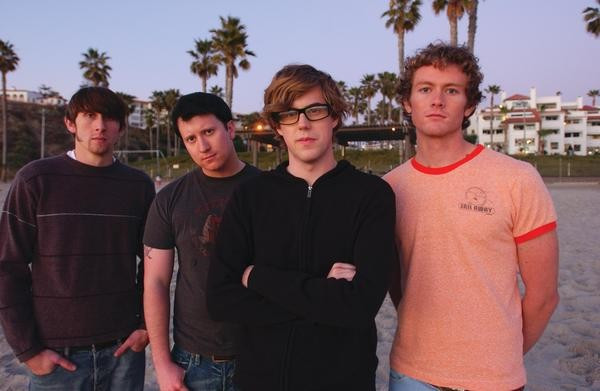
Something Corporate emerged at the turn of the millennium as a distinctive and influential force in the alternative music scene. By integrating piano-led melodies into the frameworks of pop-punk and emo, the band forged a unique sonic identity that set them apart from their guitar-centric contemporaries. Their emotionally resonant lyrics, chronicling the anxieties and triumphs of adolescence and young adulthood, cemented their place in the hearts of a dedicated fanbase. Over two decades, through periods of intense activity, hiatus, and celebrated reunions, the music of Something Corporate has demonstrated remarkable staying power, remaining a cornerstone of the early 2000s rock movement and a celebrated feature at retrospective events like Emo Night Pittsburgh.
Formation and Early Era
The band’s foundation was built on youthful ambition and a shared passion for creating music that was both energetic and melodically complex. This initial period was characterized by rapid development, local scene-building, and the creation of the core material that would soon launch them to national recognition.
Origins and Formation
Something Corporate was formed in 1998 in the suburban landscape of Dana Point, Orange County, California. The initial lineup consisted of vocalist and pianist Andrew McMahon, lead guitarist Josh Partington, bassist Kevin “Clutch” Page, and drummer Brian Ireland. McMahon, the band’s primary songwriter, had been playing piano since the age of nine, and his choice to make the instrument the centerpiece of a rock band was a defining and unconventional decision. The band was soon joined by rhythm guitarist Reuben Carroll. They began by playing local parties and venues, quickly cultivating a following with their high-energy performances and McMahon’s dynamic stage presence, which often involved jumping on and off his piano. This early period was crucial for honing their signature sound, a fusion of piano rock pathos with the driving energy of punk and alternative rock.
Early Discography
The band self-produced and released their debut album, Ready… Break, in 2000. Sold independently at shows and through their website, the album served as a powerful calling card. It contained early versions of songs that would become fan favorites, including “If You C Jordan” and “Punk Rock Princess.” The album’s grassroots success captured the attention of Drive-Thru Records, an independent label at the epicenter of the pop-punk and emo explosion. After signing a deal with Drive-Thru, which had a distribution agreement with MCA Records, Something Corporate entered the studio to record their official debut. Before this, Reuben Carroll departed, and William Tell joined as the new rhythm guitarist and backing vocalist, solidifying the classic lineup. In 2001, the band released the Audioboxer EP. Produced by Jim Wirt, the six-song collection was a polished and potent introduction for a wider audience. It received critical acclaim and its lead music video, for “If You C Jordan,” began earning airplay on MTV2, setting the stage for their impending breakthrough.
The Mainstream Breakthrough
The release of their major-label debut full-length album marked a pivotal moment for Something Corporate. It was during this period that their unique blend of genres found a national audience, elevating them from a promising regional act to a prominent name in the alternative music landscape of the early 2000s.
Pivotal Album(s) and Lineup Changes
In May 2002, Something Corporate released their seminal album, Leaving Through the Window. The album was a masterful showcase of their established sound, blending poignant, piano-driven ballads with anthemic pop-punk tracks. McMahon’s lyrics explored themes of nostalgia, displacement, love, and the bittersweet transition from youth to adulthood with a sincerity that resonated deeply with the burgeoning emo audience. The album was not an overnight chart-topper but a slow-burning success, building momentum through relentless touring and word-of-mouth. Tracks like “I Woke Up in a Car,” “I Want to Save You,” and the re-recorded versions of “Punk Rock Princess” and “If You C Jordan” became anthems for a generation of fans. The interplay between McMahon’s expressive piano work and the dual-guitar attack of Partington and Tell gave the album a sonic richness that distinguished it from other records in the emo and pop-punk scenes.
Achieving Critical and Commercial Success
Leaving Through the Window propelled Something Corporate into the mainstream consciousness. The music videos for its singles became fixtures on networks like MTV and Fuse, and the band became a staple on alternative rock radio. They embarked on extensive tours, sharing stages with notable acts like New Found Glory and The Starting Line, and earned a coveted spot on the Vans Warped Tour. The album eventually peaked at number one on the Billboard Top Heatseekers chart and laid the groundwork for a dedicated, long-term fanbase. The critical reception was largely positive, with many reviewers highlighting the band’s musical maturity and McMahon’s sophisticated songwriting. This album solidified their reputation and became the definitive document of the classic Something Corporate sound, a record still celebrated today at any authentic Pittsburgh Emo Night.
Musical Evolution and Key Events
Following their breakthrough success, the band faced the challenge of artistic evolution and the internal pressures that often accompany newfound fame. This era was defined by a more mature musical direction, significant personnel changes, and an eventual, albeit temporary, halt to their collective journey.
Mid-career Albums and Sonic Shifts
The band’s second and final studio album, North, was released in October 2003. It marked a noticeable sonic evolution, presenting a more somber, atmospheric, and introspective sound compared to its predecessor. While still rooted in the band’s piano-rock foundation, North featured more complex arrangements and a moodier tone. The lead single, “Space,” showcased this development with its grand, orchestral feel and melancholic lyrics. The album was a commercial success, debuting at number 24 on the Billboard 200 chart. Other key tracks like “Me and the Moon” and “The Runaway” demonstrated the band’s growing artistic ambition. While some fans of their more upbeat pop-punk style were initially divided, North is now widely regarded by critics and long-time listeners as a work of profound maturity and a highlight of their discography, showcasing their versatility beyond the confines of a single genre.
Hiatus, Reunions, or Significant Member Departures
In early 2004, guitarist William Tell departed from the band to pursue a solo career, a move that signaled a shift in the group’s dynamic. The band completed their scheduled touring obligations as a four-piece before announcing in the summer of 2004 that they would be taking an indefinite hiatus. The members cited burnout from years of constant touring and a desire to explore other creative avenues as the primary reasons. Andrew McMahon quickly formed his next project, Jack’s Mannequin, which continued to explore piano-rock with a deeply personal narrative. Over the following years, Something Corporate would remain largely dormant, much to the dismay of their fans. However, the demand for their music never waned, leading to a full-fledged reunion in 2010. The band embarked on a successful reunion tour and released a greatest hits compilation, Played in Space: The Best of Something Corporate, which featured one new song, “Wait.”
Modern Era
After years of sporadic appearances and the members’ focus on other projects, Something Corporate entered a new phase characterized by a renewed energy and a full-scale return to the stage, delighting a fanbase that had remained loyal for over a decade.
Recent Albums and Contemporary Activity
While the band has not released a new full-length album since North, their activity in the 2020s has reignited excitement. In 2023, Something Corporate made a highly anticipated return to the stage, performing at the popular When We Were Young festival. The overwhelmingly positive reception to their performance confirmed the band’s enduring appeal and influence. Buoyed by this success, the band announced the “Out of Office Tour” for 2024, their first extensive run of shows in nearly 15 years. This modern era of activity is not driven by new material but by a celebration of their legacy. It provides an opportunity for the original fans to relive cherished memories while introducing a new generation, often familiar with the genre through events like Emo Night, to the live experience of one of the scene’s most unique and beloved bands.
Cultural Impact and Connection to the Scene
The legacy of Something Corporate extends far beyond their recorded output. They were pioneers who reshaped the boundaries of their primary genres and created a catalog of music that continues to resonate with profound emotional honesty, making them an essential part of the 2000s rock canon.
Influence on Their Primary Genres
Something Corporate’s most significant contribution to music was the successful integration of piano as a lead instrument in the emo and pop-punk movements. At a time when the scene was saturated with distorted guitars and aggressive rhythms, their piano-led melodies offered a different kind of emotional weight and musical sophistication. They demonstrated that the raw energy of punk and the introspective nature of emo could be powerfully conveyed through classical instrumentation. This approach influenced a wave of subsequent artists in the alternative rock sphere who incorporated piano more prominently into their work. Andrew McMahon’s narrative, diary-like lyrical style also became a hallmark, capturing the specific anxieties and joys of suburban American life with a poetic and relatable touch.
Relevance in Nostalgia Events like Emo Night Pittsburgh
In the contemporary music landscape, the legacy of Something Corporate is powerfully felt at nostalgia-fueled events that celebrate the music of the 2000s. For any gathering like Emo Night Pittsburgh, the band’s music is not just a welcome addition; it is a foundational element. The opening piano chords of “I Woke Up in a Car” or the defiant chorus of “If You C Jordan” are guaranteed to elicit a massive singalong from the crowd. These songs are more than just hits; they are time capsules that transport listeners back to a specific era of their lives. The enduring popularity of Something Corporate at a Pittsburgh Emo Night event is a testament to their timeless songwriting and the deep cultural connection they forged with their audience. They represent a unique and cherished branch of the emo family tree, and their anthems remain essential for an authentic celebration of the genre.
Frequently Asked Questions About Something Corporate
- What genre is Something Corporate?
Something Corporate is primarily categorized as piano rock, emo, and pop-punk. Their sound is a distinct blend of piano-driven melodies with the energy and lyrical themes of early 2000s alternative rock.
- Who are the members of Something Corporate?
The classic and current lineup of Something Corporate consists of Andrew McMahon (lead vocals, piano), Josh Partington (lead guitar), Kevin “Clutch” Page (bass), and Brian Ireland (drums). William Tell (rhythm guitar) was a member during their main period of success from 2001 to 2004.
- What are Something Corporate’s most popular songs?
Their most popular and enduring songs include “If You C Jordan,” “Punk Rock Princess,” “I Woke Up in a Car,” “Space,” and “Konstantine.” “Konstantine,” a nearly ten-minute fan-favorite ballad, is particularly iconic despite never being a commercial single.
- Is Something Corporate still together?
Yes. After a long hiatus starting in 2004 and a brief reunion in 2010, the band officially reunited in 2023 for festival performances and announced a full-scale tour for 2024. They are currently active for live performances.
- Why did Something Corporate go on hiatus?
The band announced an indefinite hiatus in 2004 primarily due to creative and physical burnout after years of non-stop recording and touring. The members also wished to pursue individual projects, most notably Andrew McMahon’s formation of Jack’s Mannequin.
- What is the significance of the piano in Something Corporate’s music?
The piano is the central and defining element of Something Corporate’s sound. Its use as the lead melodic instrument, rather than a secondary textural element, differentiated them from the guitar-dominated pop-punk and emo bands of their era and became their signature.