Pop Punk and Alternative Dance Parties in Pittsburgh, PA

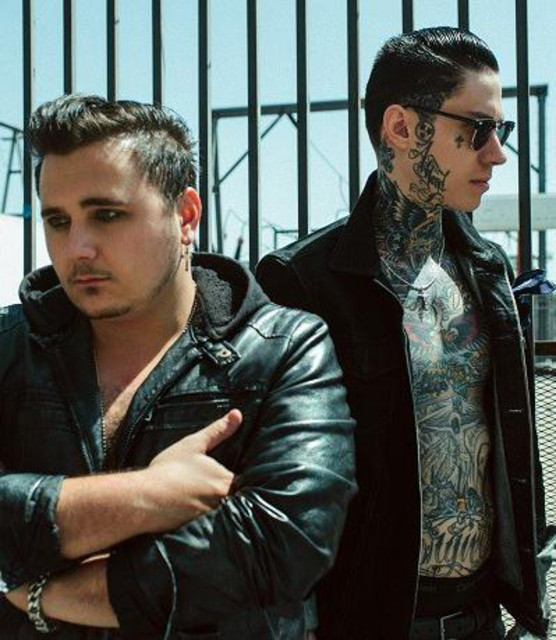
Official band image for Metro Station featured on Pittsburgh Emo Night

Metro Station

Metro Station emerged in the mid-2000s as a distinctive force in popular music, blending the glossy sheen of synth-pop with the infectious energy of pop-punk and the aesthetic sensibilities of the era’s emo culture. The band’s trajectory is a compelling narrative of rapid mainstream success, internal fractures, and resilient reunions. Spearheaded by their multi-platinum single “Shake It,” Metro Station crafted a sound that defined a specific moment in digital music history, driven by the burgeoning influence of social media platforms like MySpace. Their history reflects both the opportunities and pressures of achieving viral fame in the 21st century, and their music continues to hold significant relevance in contemporary pop culture, particularly within nostalgia-driven music events.

Formation and Early Era

The origins of Metro Station are deeply rooted in the celebrity culture and digital landscape of the mid-2000s. The band’s story is one of serendipitous connections, online hustle, and a clear vision for a sound that bridged multiple burgeoning genres.

Origins and Formation

Metro Station was officially formed in Los Angeles, California, in 2006. The catalyst for its creation was the chance meeting of co-frontmen Mason Musso and Trace Cyrus on the set of the Disney Channel television series, Hannah Montana. Musso’s brother, Mitchel, was a principal cast member, and Cyrus is the daughter of country star Billy Ray Cyrus and sibling to the show’s star, Miley Cyrus. Bonding over a shared passion for music and a desire to form a band, the duo began collaborating on songwriting.

Leveraging the power of MySpace, which was then the preeminent platform for discovering new music, Musso and Cyrus uploaded an early track, “Seventeen Forever.” The song quickly gained traction online, accumulating a significant number of plays and attracting a nascent fanbase. This early digital success validated their musical direction and encouraged them to build a full band. They recruited keyboardist and synth programmer Blake Healy after searching for a musician with a strong command of electronic textures. The lineup was solidified with the addition of drummer Anthony Improgo, a seasoned percussionist who provided a dynamic rhythmic foundation for their synth-heavy sound. This quartet formed the classic lineup of Metro Station, combining Musso’s melodic pop sensibilities with Cyrus’s rock-influenced guitar work and distinctive vocals.

Early Discography

Before securing a major label deal, the band independently released a five-song EP titled The Questions We Ask at Night in 2006. This release served as a proof-of-concept, showcasing their signature blend of electronic beats, catchy hooks, and lyrics centered on themes of youth, romance, and nightlife. Tracks from this EP helped expand their MySpace following and caught the attention of music industry insiders.

Their growing online popularity led to a record deal with Red Ink, a subsidiary of Columbia Records. With the backing of a major label, Metro Station entered the studio to develop a full-length album. Their early work established them within the burgeoning emo pop and electropop scenes, setting the stage for a commercial breakthrough that would far exceed the expectations for a band born on a social media platform.

The Mainstream Breakthrough

The period between 2007 and 2009 marked Metro Station’s ascent from an online phenomenon to a global commercial success. Their debut album and its inescapable lead single propelled them into the mainstream consciousness, making them one of the most recognizable acts of the late-2000s pop-punk and electropop wave.

Pivotal Album(s) and Lineup Changes

The band’s pivotal release was their self-titled debut album, Metro Station, issued in September 2007. The album was a polished and focused collection of tracks that refined the sound from their early EP. Produced by a team that understood how to merge rock dynamics with pop production, the record was an exercise in crafting radio-friendly anthems. Key tracks like “Kelsey,” “Control,” and “Seventeen Forever” demonstrated the band’s knack for writing memorable melodies, but it was another song that would define their career.

During this period of intense activity, the lineup of Musso, Cyrus, Healy, and Improgo remained stable. Their distinct roles were crucial to the band’s sound and image: Musso as the smooth lead vocalist, Cyrus providing a contrasting vocal style and rock edge, Healy as the architectural force behind the synth landscapes, and Improgo driving the beat. This cohesive unit successfully translated their studio sound to energetic live performances, touring extensively to build their audience.

Achieving Critical and Commercial Success

While the album was released in 2007, the band’s explosion into the mainstream did not occur until nearly a year later. The third single from the album, “Shake It,” was released in the spring of 2008 and became a slow-burn success. The song’s irresistible synth riff, simple and chantable chorus, and dance-floor-ready beat made it a viral hit. It climbed the charts throughout 2008, eventually peaking at number 10 on the Billboard Hot 100 in the United States. It also achieved significant international success, charting in the UK, Canada, Australia, and Germany.

The single was certified Double-Platinum by the RIAA, cementing its status as one of the definitive songs of the decade. The accompanying music video received heavy rotation on MTV and other music channels, further boosting their visibility. This success transformed Metro Station from a niche MySpace band into a household name. They became regulars on the touring circuit, sharing stages with prominent pop-punk and emo acts like Boys Like Girls, Good Charlotte, and Cobra Starship, solidifying their place within that cultural scene. Their sound, a vibrant mix of pop rock and synth-pop, became a defining part of the late-2000s musical landscape.

Musical Evolution and Key Events

Following their mainstream peak, Metro Station faced the challenge of artistic evolution amidst internal pressures. This period was characterized by attempts to write a follow-up album, lineup instability, and an eventual hiatus that left the band’s future in question.

Mid-career Albums and Sonic Shifts

After the extensive touring cycle for their debut album, Metro Station began working on a second full-length record in 2009. They released the Kelsey EP, which featured a new version of the fan-favorite track alongside acoustic renditions and a new song, “Time to Play.” This release suggested a continuation of their established sound. However, creative differences began to emerge within the band during the writing sessions for their sophomore album. Reports from the time indicated disagreements over the band’s future musical direction, with some members wanting to explore a more rock-oriented sound while others preferred to lean further into electronic and pop elements.

These creative tensions ultimately stalled the recording process, and the planned second album from the original lineup never materialized. This period represents less of a sonic shift documented on record and more of an internal struggle that prevented a new musical chapter from beginning, leaving their debut album as the sole major work from the classic quartet.

Hiatus, Reunions, or Significant Member Departures

In March 2010, at the height of their career, Metro Station announced an indefinite hiatus. The news surprised many fans and was attributed to growing personal and creative friction between co-frontmen Mason Musso and Trace Cyrus. Following the announcement, drummer Anthony Improgo and keyboardist Blake Healy had already departed the band. Musso and Cyrus pursued separate musical projects; Musso retained the Metro Station name for a short time and worked on solo material, while Cyrus formed the band Ashland HIGH.

A brief reunion occurred in 2011, with Musso and Cyrus attempting to reconcile and record new music. This effort was short-lived. A more stable reunion took place in 2014, with Musso and Cyrus once again at the helm as a duo. They independently released an EP titled Gold, which updated their sound with more modern electronic production while retaining their pop-centric songwriting. This marked the beginning of the band’s second act, operating as a more streamlined, independent entity.

Modern Era

Re-established as a duo, Metro Station has navigated the modern music industry with a renewed focus on independent releases and direct engagement with their dedicated fanbase. Their recent work demonstrates a maturation of their sound while honoring the electropop roots that first brought them to prominence.

Recent Albums and Contemporary Activity

The reunion of Musso and Cyrus culminated in the release of the band’s second full-length studio album, Savior, in 2015. Released independently, the 18-track album was funded in part by fans and featured collaborations with artists like rock producer Howard Benson and musicians from bands such as Falling in Reverse. Savior presented a more polished and diverse version of the Metro Station sound, blending their signature synth-pop with elements of alternative rock and contemporary electronic music. Tracks like “Getting Over You” and “Married in Vegas” showcased their enduring ability to craft catchy, high-energy pop songs.

The band toured in support of Savior but announced another breakup in 2017. However, this second hiatus proved temporary. By 2019, Musso and Cyrus had once again reconciled and resumed activities as Metro Station. Since 2020, they have focused on releasing a steady stream of new singles, including “I Hate Society” (2020) and “Back to Me” (2021). This strategy allows them to remain creatively active and connected with their audience without the pressure of a full album cycle. Today, Metro Station continues to tour, performing for audiences that include both original fans and new listeners discovering their music.

Cultural Impact and Connection to the Scene

Metro Station’s legacy is tied to their role as pioneers of the MySpace music era and their contribution to the sound and style of late-2000s pop culture. Their music has proven to have lasting appeal, resonating strongly within nostalgic contexts.

Influence on Their Primary Genres

Metro Station was a quintessential “scene” band, perfectly capturing the zeitgeist of a generation that lived on social media and embraced a fusion of genres. They were instrumental in popularizing a specific brand of electropop that incorporated the melodic hooks of pop-punk and the visual flair of the emo movement. While many bands of the era used synths, Metro Station placed them at the absolute forefront, creating a sound that was unabashedly pop yet still felt at home on tour with alternative rock acts. Their success demonstrated the commercial viability of a hybrid sound that appealed to both mainstream radio listeners and fans of the Warped Tour scene. Their influence can be seen in the subsequent wave of artists who blended electronic production with rock instrumentation.

Relevance in Nostalgia Events like Emo Night Pittsburgh

The music of Metro Station is a cornerstone of 2000s nostalgia, a fact prominently displayed at themed events celebrating the era’s culture. The enduring appeal of Metro Station is a key feature at nostalgia-fueled gatherings such as Emo Night Pittsburgh. For a generation that came of age with MySpace profiles and digital music players, their songs are potent triggers for collective reminiscence. Anthems like “Shake It” and “Seventeen Forever” are guaranteed to evoke a powerful response from attendees at any authentic Pittsburgh Emo Night, serving as celebratory highlights of the evening.

The band’s cultural significance is not just auditory but also aesthetic. Their neon-colored merchandise, skinny jeans, and distinct hairstyles are iconic representations of the late-2000s scene. As such, Metro Station’s music is not merely played at these events; it is a foundational element that helps recreate the entire cultural milieu of the period, providing an essential and authentic experience for fans looking to reconnect with the music of their youth.

Frequently Asked Questions About Metro Station

How did Metro Station get started?
Metro Station was formed in 2006 after co-founders Mason Musso and Trace Cyrus met on the set of the Disney show Hannah Montana. They began writing music together and used the social media platform MySpace to gain their initial following.

What is Metro Station’s biggest song?
The band’s biggest song by a significant margin is “Shake It,” released in 2008. The single reached number 10 on the Billboard Hot 100 chart and has been certified Double-Platinum in the United States.

Are Trace Cyrus and Miley Cyrus related?
Yes, Trace Cyrus and Miley Cyrus are siblings. Their father is musician Billy Ray Cyrus.

Is Metro Station still together?
Yes. After going on hiatus multiple times, Metro Station is currently active as a duo consisting of original members Mason Musso and Trace Cyrus. They continue to release new music and perform live.

What genre of music is Metro Station?
Metro Station’s music is primarily categorized as electropop and synth-pop. It also incorporates strong elements of pop rock, pop-punk, and is often associated with the emo pop scene of the late 2000s.

Who are the current members of Metro Station?
The current official members of Metro Station are the two founding members, Mason Musso (vocals, guitar) and Trace Cyrus (vocals, guitar).