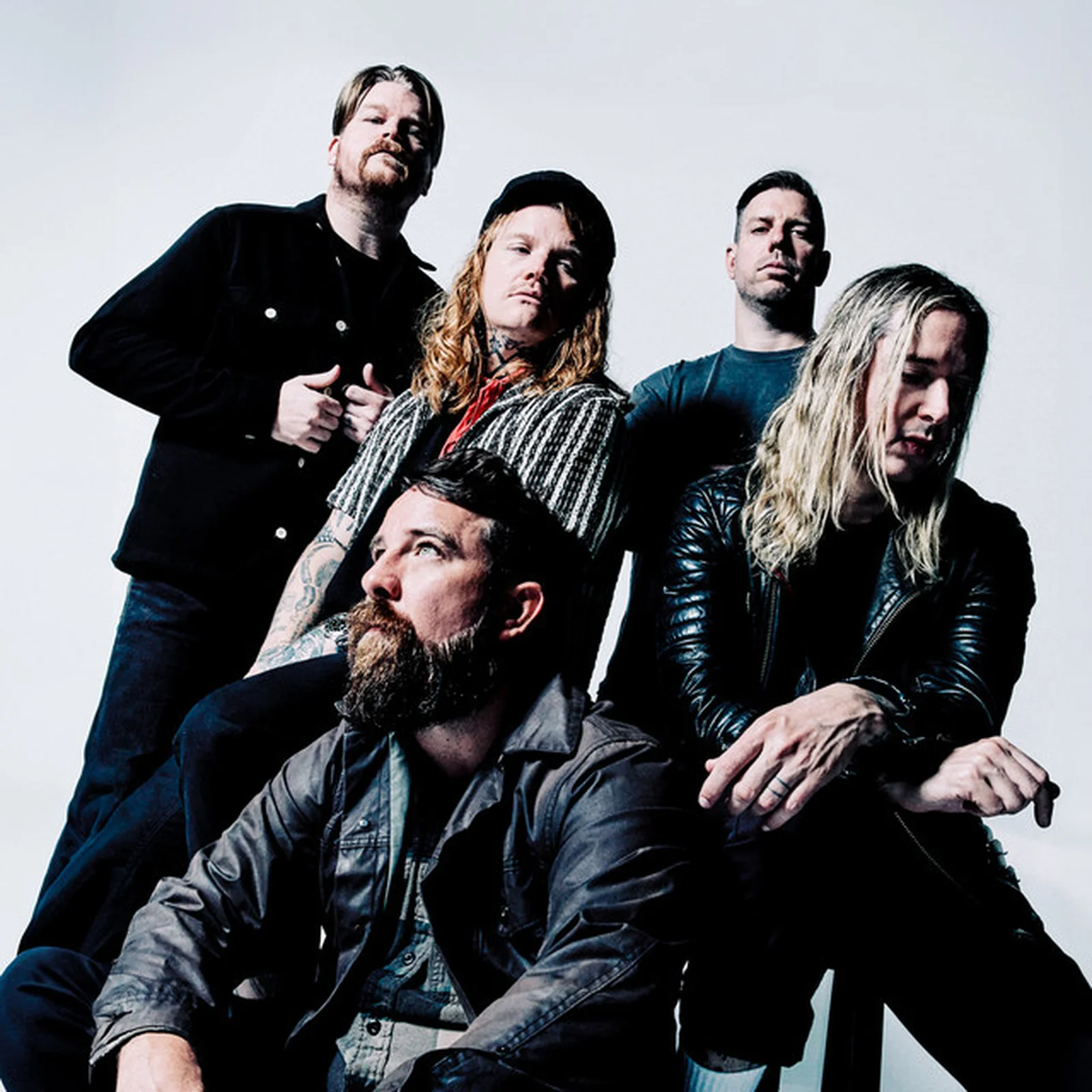
For more than 25 years, Underoath has been an influential band in alternative rock, developing a sound that merges emo with post-hardcore and metalcore. Originating from Florida’s underground scene, the band achieved mainstream success and critical acclaim through a career defined by sonic evolution, significant lineup changes, and lyrics exploring themes of faith, doubt, and personal turmoil. From their work in the Christian metal scene to their status as genre innovators, Underoath’s music remains a regular feature at events like Emo Night Pittsburgh. This article provides a chronological analysis of the band’s history, their albums, and their cultural impact.
Formation and Early Era (1997-2003)
The origins of Underoath are in the DIY music scene of Florida in the late 1990s, a period of genre experimentation from which the band emerged.
Origins in the Florida Hardcore Scene
Underoath was formed in Ocala, Florida, in 1997 by vocalist Dallas Taylor and guitarist Luke Morton. The lineup expanded to include drummer Aaron Gillespie, guitarist Corey Steger, and bassist Octavio Fernandez. As part of the Christian metal scene, the band’s early sound was a form of metalcore, characterized by heavy breakdowns and screamed vocals. They gained a local following by playing shows in churches and small venues. This period was defined by their energetic performance style and faith-based lyrics, which distinguished them from many secular bands in the hardcore community. Their sound laid the groundwork for the music they would later create.
Discography: Act of Depression, Cries of the Past, and The Changing of Times
The band’s early albums document their formative sound. Their debut, Act of Depression (1999), released on Takehold Records, was an unpolished effort that showcased their heavy influences through aggressive instrumentation and Taylor’s screamed vocals, with lyrics centered on spiritual themes.
A year later, they released Cries of the Past (2000). This album continued in a similar style but with more complex song structures and melodic passages. The album solidified their reputation within the underground Christian metal scene and led to their signing with Seattle-based label Solid State Records, a subsidiary of Tooth & Nail Records.
After signing with Solid State, Underoath released The Changing of Times in 2002. This album was a turning point, introducing keyboardist Chris Dudley, whose electronic textures became a key component of the band’s sound. The album incorporated more melody and clean vocals from drummer Aaron Gillespie, creating a vocal interplay with Taylor’s screams. This vocal style would become a common feature of the post-hardcore genre. While still a heavy record, The Changing of Times moved towards a more accessible sound, setting the stage for their subsequent commercial success.
The Mainstream Breakthrough (2004-2008)
The mid-2000s were a period of transformation for Underoath. Following a key lineup change and the release of two landmark albums, the band moved from an underground act to one of the most commercially successful and influential acts in the alternative music scene.
They’re Only Chasing Safety and Lineup Changes
The most significant change during this era was the departure of founding vocalist Dallas Taylor. He was replaced by Spencer Chamberlain, who brought a different vocal style and lyrical approach. His ability to shift between aggressive screams and melodic singing complemented Gillespie’s clean vocals.
This new lineup recorded their commercially successful album, They’re Only Chasing Safety (2004). Released on Solid State Records, the album was a departure from their metalcore roots, embracing a more streamlined post-hardcore and emo sound with melodic hooks and choruses. Tracks like “Reinventing Your Exit” and “A Boy Brushed Red Living in Black and White” received radio and music television airplay. The album’s themes shifted from spiritual messages to more personal and relational topics, which resonated with a wider audience. They’re Only Chasing Safety achieved RIAA Gold certification and established Underoath as a notable act in the scene. The album is considered a key release of the mid-2000s emo movement, a fact reflected in its popularity at events like the Pittsburgh Emo Night.
Define the Great Line: Critical and Commercial Success
Following the success of They’re Only Chasing Safety, Underoath delivered Define the Great Line in 2006. The album was a heavier and more experimental effort that blended the melodic sensibilities of its predecessor with the aggression of their early work, using complex song structures and atmospheric electronics.
The album was a commercial and critical success. It debuted at No. 2 on the Billboard 200 chart, a notable achievement for a band in their genre. [External Link: Underoath’s Billboard Chart History]. Singles like “Writing on the Walls” and “In Regards to Myself” balanced aggressive and melodic sections. Lyrically, the album delved into themes of internal conflict, spiritual doubt, and the pressures of fame, reflecting the band’s experiences. Define the Great Line also earned RIAA Gold certification and is widely regarded by critics and fans as a landmark album in the metalcore genre. It demonstrated that Underoath could achieve continued success. For those looking to explore their work, [External Link: Underoath’s Discography on Spotify] offers their full catalog.
Musical Evolution and Hiatus (2009-2014)
After reaching a commercial peak, Underoath entered a period of musical changes and internal disagreements, which led to the departure of a founding member and a temporary disbandment.
The Departure of Aaron Gillespie and Ø (Disambiguation)
In 2010, the band announced the departure of drummer and clean vocalist Aaron Gillespie. His melodic vocals had been an integral part of the band’s sound, and his exit was a significant change. The remaining members continued, recruiting former Norma Jean drummer Daniel Davison.
Later that year, they released Ø (Disambiguation). Without Gillespie’s clean vocals, the band crafted their most musically intricate record to that point. Chamberlain handled all vocal duties, and the instrumentation moved into more experimental and atmospheric territory, bordering on post-metal. The album was dense and abrasive, and it was met with positive reviews for its artistic direction and lyrical content. It demonstrated the band’s ability to evolve. For fans of the genre, learning more is possible through [Internal Link: A Guide to the Post-Hardcore Genre].
The Farewell Tour and Disbandment
Despite the reception of Ø (Disambiguation), internal strains led the band to the decision to disband. In late 2012, Underoath announced they would stop making music. They embarked on a farewell tour in 2013, which served as a celebration of their career with setlists spanning their discography. The announcement was noted by the alternative music community.
Reunion and Modern Era (2015-Present)
The hiatus proved to be temporary. Fan demand and a renewed interest among the members to write music together led to a reunion and new material.
The Reunion and Erase Me (2018)
In 2015, the band confirmed a reunion with the announcement of the “Rebirth Tour” for 2016. The tour featured the lineup of Chamberlain, Gillespie, McTague, Smith, Dudley, and bassist Grant Brandell, performing They’re Only Chasing Safety and Define the Great Line in their entirety. The tour was successful, selling out venues and reaffirming the band’s popularity.
This led to new music. In 2018, Underoath released Erase Me, their first album in eight years. The album marked a sonic shift, incorporating elements of industrial, electronic, and hard rock. It was their first album released on a secular label (Fearless Records) and explored the members’ evolving faith. This lyrical content caused discussion among their Christian fanbase but was noted by critics. The lead single, “On My Teeth,” earned the band their first Grammy nomination. The official home for the band is [External Link: Underoath’s Official Website].
Voyeurist and Contemporary Activity
Continuing to release new music, Underoath put out Voyeurist in 2022. The album was self-produced in their own studio. It is a collaborative and sonically ambitious album that pushes their sound into experimental and industrial-tinged metalcore, with complex rhythms, dissonant textures, and a raw production style. The album’s concept centers on observation and the search for connection. Voyeurist received positive reviews, noted for its innovation and intensity. Underoath continues to tour, and their modern output ensures their relevance.
Cultural Impact and Connection to the Emo Scene
Underoath’s impact extends beyond their album sales. They were an important part of the 2000s rock landscape, and their influence can be seen in a new generation of bands and the nostalgic events that celebrate that era.
Influence on the Post-Hardcore and Metalcore Genres
Underoath was one of the bands known for blending melody with aggression. Their use of contrasting screamed and clean vocals, atmospheric keyboards, and dynamic song structures was an influence on many bands in the post-hardcore and metalcore scenes. Bands like A Day to Remember, Bring Me The Horizon, and Sleeping with Sirens were influenced by Underoath. They demonstrated that heavy music could achieve commercial success while retaining emotional lyrical themes. Their influence can be seen in the work of many artists, including some featured in our profiles, such as [Internal Link: Artist Profile: Taking Back Sunday].
Relevance in Nostalgia Events like Emo Night Pittsburgh
The music of the 2000s emo and post-hardcore genres is popular among a generation of listeners. Events like Emo Night Pittsburgh have become popular, allowing fans to hear music from that era. The songs of Underoath are frequently requested at these nights. Tracks from They’re Only Chasing Safety are popular songs from that era, and their inclusion is a testament to the band’s impact on the emo scene. These events show that the connection forged by Underoath’s music remains. For those interested in attending, you can find [Internal Link: Emo Night Pittsburgh Ticket Information] and view the [Internal Link: Full Event Calendar]. The popularity of Underoath at a Pittsburgh Emo Night underscores their status as notable acts of the genre.
Frequently Asked Questions About Underoath
- What genre is Underoath?
- Underoath is most commonly classified as metalcore and post-hardcore. Throughout their career, they have incorporated elements of emo, Christian metal, experimental rock, and industrial music into their sound.
- Which Underoath album has achieved RIAA certification?
- Two of Underoath’s albums have been certified Gold by the RIAA (Recording Industry Association of America), meaning they have sold over 500,000 units each. These albums are They’re Only Chasing Safety (2004) and Define the Great Line (2006).
- Who are the current members of Underoath?
- As of their latest album, Voyeurist, the current members are Spencer Chamberlain (lead vocals), Aaron Gillespie (drums, clean vocals), Timothy McTague (lead guitar), James Smith (rhythm guitar), Grant Brandell (bass), and Christopher Dudley (keyboards).
- What was Underoath’s highest-charting album?
- Underoath’s highest-charting album is Define the Great Line (2006), which debuted at No. 2 on the U.S. Billboard 200 chart.
- What are the primary lyrical themes in Underoath’s music?
- Underoath’s lyrics often explore complex and personal themes. Early in their career, their lyrics were focused on Christian faith and spiritual struggle. In later albums, particularly from They’re Only Chasing Safety onward, themes expanded to include internal conflict, doubt, depression, relationships, and modern life.