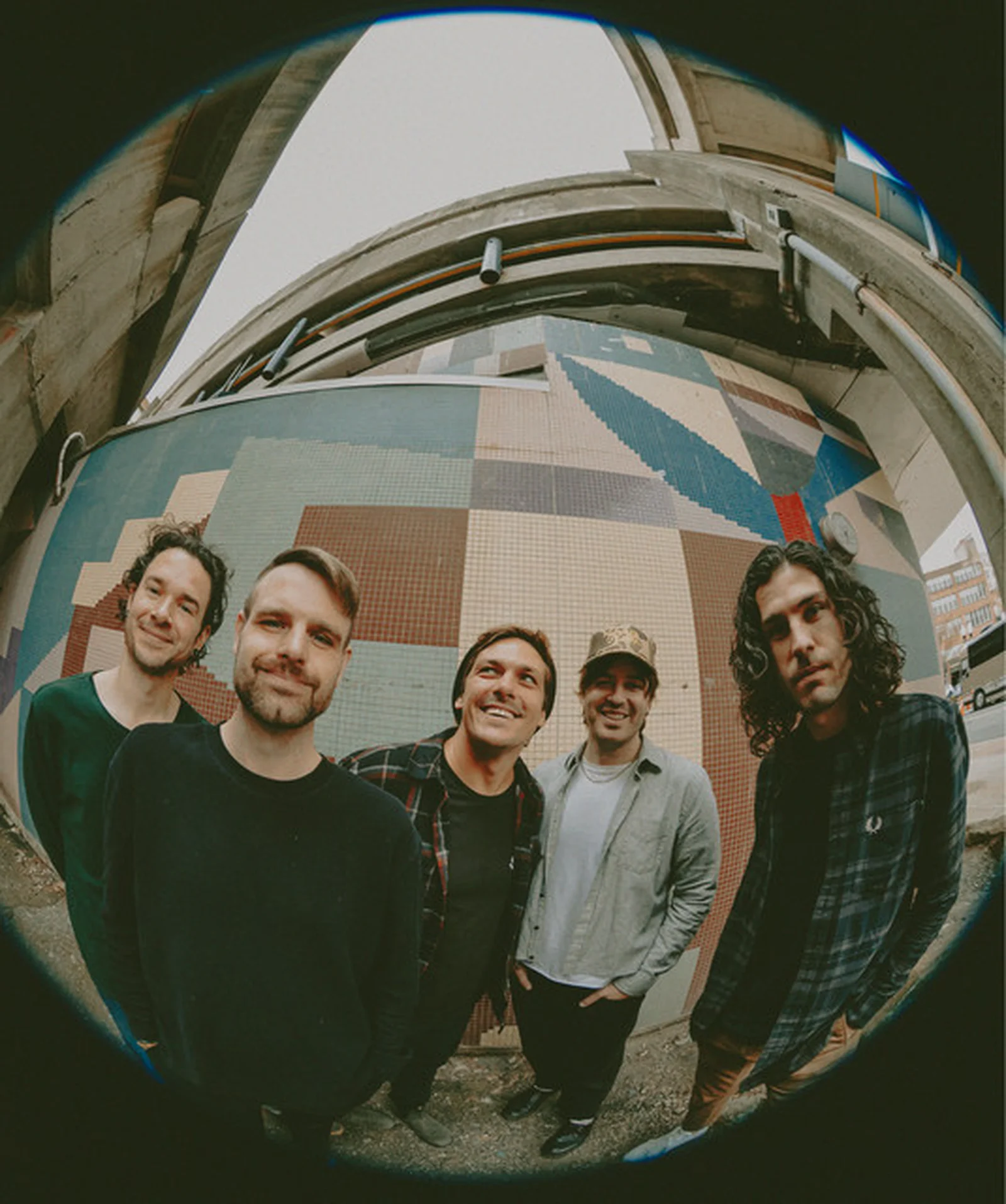
In the landscape of modern emotional rock music, few bands have captured the raw, unfiltered experience of suburban angst and heartfelt vulnerability quite like Real Friends. Emerging from the fertile grounds of the Chicago music scene, the band forged a powerful connection with a global audience through their unflinching lyrical honesty and a sound that expertly blended the energy of pop-punk with the introspective depth of emo. Their journey, marked by relentless touring, significant lineup evolution, and a dedicated DIY ethos, has solidified their status as a cornerstone of the genre. Their music remains a vital part of the culture, celebrated at events like Pittsburgh Emo Night, where fans gather to experience the catharsis and community the band has always championed.
Formation and Early Era
The story of Real Friends is one rooted in friendship, ambition, and the vibrant punk scene of the American Midwest. Before they were a globally recognized name, they were a group of teenagers channeling their collective anxieties and aspirations into a series of raw, passionate, and self-produced recordings that would lay the groundwork for a remarkable career.
Origins and Formation
Real Friends was formed in 2010 in the Chicago suburb of Tinley Park, Illinois. The initial lineup consisted of vocalist Dan Lambton, lead guitarist Dave Knox, rhythm guitarist Eric Haines, bassist Kyle Fasel, and drummer Aaron Schuck. Fasel and Lambton had previously been in a band called The Fastest Kid Alive, and it was Fasel who initiated the formation of Real Friends, driven by a desire to write more serious, emotionally resonant music. The band’s name itself was a statement of intent, reflecting a commitment to authenticity and genuine connection, themes that would become central to their lyrical identity.
From their inception, the band embraced a do-it-yourself mentality. Fasel, as the primary lyricist, began crafting songs that delved into themes of anxiety, heartbreak, self-doubt, and the complexities of growing up. His candid and often painfully relatable lyrics, paired with Lambton’s distinctly earnest and emotive vocal delivery, quickly became the band’s signature. This early period was characterized by basement practices, local shows, and a relentless drive to build a following from the ground up, one fan at a time.
Early Discography
The band’s formative years are best defined by a prolific string of EPs, each serving as a stepping stone that refined their sound and expanded their reach. In 2011, they self-released their debut EP, This Is Honesty. This release introduced their burgeoning fanbase to what would become their trademark style: a fusion of energetic pop-punk instrumentation with the lyrical sincerity of Midwest emo. It was raw and unpolished, but it resonated with listeners who were hungry for music that spoke to their own experiences.
Over the next two years, Real Friends released a series of EPs that became foundational texts for their followers: Everyone That Dragged You Here (2012), Three Songs About The Past Year of My Life (2012), and Put Yourself Back Together (2013). It was during this period that the phrase “sleepy eyes and bony knees” became a recurring lyrical motif and a rallying cry for their fans, encapsulating a sense of weary vulnerability and physical unease. These releases, distributed through platforms like Bandcamp and promoted via social media, helped the band cultivate a devoted online following. Their hard work on the road, including early tours with bands like The Wonder Years, further solidified their reputation as a must-see live act within the burgeoning alternative rock scene.
The Mainstream Breakthrough
After years of relentless independent effort, Real Friends stood on the precipice of a major breakthrough. Their grassroots following had grown into a formidable army, and the music industry had taken notice. This next phase would see them transition from a beloved DIY outfit to a prominent, internationally recognized force in the pop-punk world.
Pivotal Album(s) and Lineup Changes
The turning point for Real Friends came in late 2013 when they announced their signing to the influential independent label Fearless Records. This partnership provided the band with a larger platform and greater resources, setting the stage for their highly anticipated full-length debut. The result was Maybe This Place Is the Same and We’re Just Changing, released in July 2014. The album was a culmination of everything they had been working toward, a polished and powerful collection of songs that retained the raw emotion of their earlier work while showcasing a more mature and dynamic sound.
The album, featuring standout tracks like “I Don’t Love You Anymore” and “Loose Ends,” was a critical and commercial success. It represented a significant sonic evolution, with more complex arrangements and a higher production value that allowed the emotional weight of the songs to hit even harder. During this period, the core lineup remained stable, a testament to the camaraderie that had fueled their rise. The transition to a major indie label did not dilute their message; instead, it amplified it, allowing their music to connect with a wider audience than ever before.
Achieving Critical and Commercial Success
Maybe This Place Is the Same and We’re Just Changing debuted at number 24 on the Billboard 200 chart, a remarkable achievement for a band that had been self-releasing music just a year prior. This success was not a stroke of luck but the direct result of years of hard work and the deep connection they had fostered with their audience. They became a staple on the Vans Warped Tour, where their energetic and emotionally charged performances won over thousands of new fans.
The album cemented their place within the pop-punk revival of the 2010s, alongside peers like The Story So Far and Neck Deep. Critics praised the album for its lyrical depth and anthemic choruses. More importantly, it resonated deeply with listeners who saw their own struggles reflected in the band’s music. The success of this album transformed Real Friends from a scene favorite into a globally recognized act, proving that their brand of heartfelt, no-frills rock had a place on the world stage.
Musical Evolution and Key Events
With their breakthrough success established, Real Friends entered a period of artistic growth and significant change. The subsequent years would test their resilience, push their creative boundaries, and ultimately redefine the band’s identity, leading to one of the most pivotal moments in their history.
Mid-career Albums and Sonic Shifts
The band followed up their debut with The Home Inside My Head in 2016. This album saw the band exploring a slightly more polished and melodic sound, while still retaining their signature lyrical angst. Tracks like “Colder Quicker” and “Mess” continued to explore themes of mental health and strained relationships, subjects that had become increasingly central to their work. While some listeners noted a move toward a more accessible, alternative rock sound, the emotional core of the band remained firmly intact.
In 2018, they released Composure, an album that many fans and critics consider their most mature and cohesive work. As the title suggests, the album grappled with the search for mental and emotional stability. Sonically, it was their most ambitious effort to date, incorporating more dynamic shifts and nuanced instrumentation. Songs like “From the Outside” and “Me First” showcased a new level of songwriting sophistication and a willingness to tackle difficult subjects with unflinching honesty. Composure was a powerful statement from a band that had grown and evolved without sacrificing the vulnerability that made them so beloved.
Hiatus, Reunions, or Significant Member Departures
After the touring cycle for Composure, the band entered a period of relative quiet that culminated in a shocking announcement in February 2020. Vocalist Dan Lambton revealed that he was parting ways with Real Friends. The split was amicable, with both parties expressing mutual respect and a need to move in different creative and personal directions. For many fans, Lambton’s voice was synonymous with the band, and his departure marked the end of an era, leaving the future of Real Friends in question.
For over a year, the remaining members—Fasel, Knox, Haines, and Blake—remained silent about their plans. However, in June 2021, the band re-emerged with a new single, “Nervous Wreck,” and introduced their new vocalist, Cody Muraro, previously of the bands Youth Fountain and Parting Ways. The addition of Muraro marked a bold new chapter. His vocal style, while different from Lambton’s, brought a new energy and dynamic to the group, proving that the heart of Real Friends was not tied to a single member but to the collective spirit and lyrical honesty that had always defined them.
Modern Era
The introduction of a new vocalist invigorated Real Friends, sparking a period of creative renewal. Embracing their new identity, the band has moved forward with a renewed sense of purpose, continuing to release music that is both true to their roots and reflective of their ongoing evolution.
Recent Albums and Contemporary Activity
With Cody Muraro at the helm, Real Friends released the EP Torn in Two in 2021, which served as a powerful introduction to their new sound. The EP was followed by a series of singles throughout 2022 and 2023, showcasing the seamless chemistry between Muraro and the rest of the band. This new material culminated in the release of their 2023 album, There’s Nothing Worse Than Too Late. The album was released independently, marking a return to the DIY ethos of their early days.
The album has been praised for its energy and emotional depth, with Muraro’s versatile vocals breathing new life into the band’s signature sound. They have continued to tour extensively, connecting with a new generation of fans while still celebrating the music that their longtime followers fell in love with. Their enduring presence in the scene demonstrates a rare resilience and a commitment to their craft that has allowed them to navigate significant change and emerge stronger than ever.
Cultural Impact and Connection to the Scene
Over more than a decade, Real Friends has carved out a significant legacy within the alternative music world. Their influence extends beyond their recorded output, shaping the direction of their genre and providing a soundtrack for a generation of fans who found solace and understanding in their music.
Influence on Their Primary Genres
Real Friends was at the forefront of the 2010s emo and pop-punk revival. Their lyrical focus on mental health and vulnerability helped to normalize conversations around these topics within the scene, paving the way for countless other artists to explore similar themes in their own work. Their “sleepy eyes and bony knees” aesthetic became an iconic part of the genre’s culture, representing a shared sense of anxiety and alienation. They proved that a band could achieve widespread success without sacrificing emotional honesty, influencing a new wave of artists who valued authenticity above all else.
Relevance in Nostalgia Events like Emo Night Pittsburgh
The music of Real Friends is timeless because the emotions they explore are universal. This is why their songs have become anthems at events like Emo Night Pittsburgh. When a DJ plays a track like “I’ve Given Up On You” or “Late Nights in My Car,” the entire room sings along, a testament to the enduring power of their music. These events are a celebration of the community and catharsis that bands like Real Friends have fostered.
For attendees of Pittsburgh Emo Night, hearing Real Friends is not just an act of nostalgia; it is a reaffirmation of the connections forged through a shared love of this music. The band’s legacy is not just in their albums but in the rooms full of people, strangers and friends alike, shouting their lyrics back at the stage or the DJ booth. It is in this shared experience that the true impact of Real Friends can be felt, a legacy that continues to thrive at every Pittsburgh Emo Night.
Frequently Asked Questions About Real Friends
- Who are the founding members of Real Friends?
- The original lineup of Real Friends consisted of Dan Lambton (vocals), Kyle Fasel (bass), Dave Knox (lead guitar), Eric Haines (rhythm guitar), and Aaron Schuck (drums). Brian Blake later took over on drums and became a longtime member.
- What is Real Friends’ most popular album?
- While this can be subjective, their 2014 debut full-length, Maybe This Place Is the Same and We’re Just Changing, is widely considered their breakout album. It achieved significant commercial success, debuting at #24 on the Billboard 200, and contains many of their most iconic songs.
- Why did the original singer, Dan Lambton, leave the band?
- Dan Lambton and Real Friends announced their mutual decision to part ways in February 2020. The split was amicable, with Lambton citing a desire to focus on new creative endeavors and personal growth. The band expressed their support for his decision and their intent to continue making music.
- Who is the current lead singer of Real Friends?
- The current lead singer of Real Friends is Cody Muraro. He officially joined the band in 2021 and made his recording debut on the single “Nervous Wreck.”
- What are the main musical genres of Real Friends?
- Real Friends is primarily categorized as pop-punk and emo. Their music often incorporates elements of alternative rock and is known for its blend of energetic, punk-influenced instrumentation and emotionally vulnerable, introspective lyrics.
- Is Real Friends still together and making music?
- Yes, Real Friends is still active. With new vocalist Cody Muraro, they have released new music, including the 2023 album There’s Nothing Worse Than Too Late, and continue to tour and connect with fans around the world.