Panic! at the Disco was an American rock band that defied easy categorization for nearly two decades. Emerging from the suburbs of Las Vegas in 2004, the group evolved from a teenage pop-punk act into a globally recognized, genre-bending musical project. Initially a quartet, the band’s story is one of constant evolution, marked by significant shifts in musical direction, a revolving door of members, and the steady rise of frontman Brendon Urie as the sole creative force. From their vaudevillian-inspired emo debut to their later explorations of baroque pop, synth-pop, and glam rock, Panic! at the Disco crafted a legacy defined by theatricality, ambitious songwriting, and commercial success. Their journey through the alternative rock landscape of the 21st century cemented their status as a defining act for a generation, with their music remaining a cornerstone of events celebrating the era, such as Emo Night Pittsburgh.
Formation and Early Era
The band’s origins are rooted in the early 2000s American rock scene, a period characterized by the mainstream ascendance of pop-punk and emo. It was within this fertile ground that four teenagers from Las Vegas would lay the foundation for a globally recognized musical act.
Origins and Formation
Panic! at the Disco was formed in 2004 in the suburban landscape of Summerlin, Las Vegas, by childhood friends Ryan Ross, who served as the primary lyricist and guitarist, and Spencer Smith, the drummer. They soon invited fellow high school student Brent Wilson to join on bass. The lineup was completed when the trio recruited Brendon Urie, who initially joined as a guitarist. However, after hearing Urie’s vocal abilities during a rehearsal, the band unanimously agreed he should be the lead singer.
Without ever having performed a live show, the band recorded demos and, through an early online connection, sent them to Fall Out Boy bassist Pete Wentz. Impressed by their unique sound and ambitious lyrics, Wentz traveled to Las Vegas to meet the band and subsequently signed them as the first act on his new label imprint, Decaydance Records, an offshoot of the influential alternative label Fueled by Ramen. This signing, which occurred before the band had even played a single concert, was a testament to the immediate potential their early work displayed.
Early Discography
Under the guidance of their new label, Panic! at the Disco entered the studio to record their debut album, A Fever You Can’t Sweat Out, released in September 2005. The album was a striking and unconventional debut, conceptually split into two distinct halves. The first half was dominated by electronic-infused pop-punk, featuring synthesizers and drum machines, while the second half adopted a more traditional, vaudevillian sound, incorporating piano, cello, and accordion. This dichotomy showcased the band’s eclectic influences, which ranged from third-wave emo to the theatrical compositions of Danny Elfman.
The album’s lead single, “The Only Difference Between Martyrdom and Suicide Is Press Coverage,” generated initial buzz, but it was the second single, “I Write Sins Not Tragedies,” that launched the band into the mainstream. The song’s iconic pizzicato cello intro, narrative-driven lyrics, and a highly theatrical music video featuring a circus-themed wedding, became an inescapable hit. The video won Video of the Year at the 2006 MTV Video Music Awards, and the single climbed into the top 10 of the Billboard Hot 100. A Fever You Can’t Sweat Out would go on to be certified multi-platinum, establishing Panic! at the Disco as a major new force in alternative rock.
The Mainstream Breakthrough
Following the unexpected success of their debut, the band faced the dual pressures of newfound fame and the creative challenge of a follow-up. This period was defined by a significant artistic pivot and the first of many lineup changes that would characterize their career.
Pivotal Album(s) and Lineup Changes
In 2006, shortly after the massive success of Fever, bassist Brent Wilson was dismissed from the band. The official statement cited a lack of responsibility, though Wilson publicly disputed the grounds for his firing. He was quickly replaced by Jon Walker. With the new lineup solidified, the band began work on their second album, retreating to a cabin in the rural mountains of Nevada. The result, released in March 2008, was Pretty. Odd., an album that represented a dramatic departure from their debut.
Pretty. Odd. eschewed the emo and electronic elements of Fever in favor of a sound heavily influenced by 1960s baroque pop and psychedelic rock, drawing clear comparisons to The Beatles and The Beach Boys. The album was lushly orchestrated, with tracks like “Nine in the Afternoon” showcasing a more organic, melodic, and optimistic style. This stylistic shift was a bold, and to some, a risky move. The change was so profound that the band famously dropped the exclamation point from their name for this album cycle, signaling a deliberate reinvention. However, this new creative direction, largely driven by Ross, created a rift within the band. In 2009, citing creative differences with Urie, Ryan Ross and Jon Walker announced their departure, leaving Panic! at the Disco as a duo.
Achieving Critical and Commercial Success
Despite the internal turmoil and stylistic shifts, Panic! at the Disco continued to build on its commercial success. A Fever You Can’t Sweat Out remains their best-selling album, a landmark of the mid-200s emo scene whose influence is still felt at any Pittsburgh Emo Night. While Pretty. Odd. did not match the sales of its predecessor, it debuted at number two on the Billboard 200 and was certified platinum, proving the band could retain a substantial audience even while exploring a completely different sonic palette. The album was generally well-received by critics, who praised its ambition and melodic craftsmanship, even if it alienated some fans of their original sound. The success of both albums demonstrated the band’s versatility and established them as more than a one-hit-wonder, capable of navigating the pressures of the music industry while undertaking significant artistic evolution.
Musical Evolution and Key Events
The departure of half the founding members marked a new era for Panic! at the Disco. Now officially a duo of Brendon Urie and Spencer Smith, the band was forced to redefine its sound once again, with Urie taking on a more prominent role in songwriting.
Mid-career Albums and Sonic Shifts
The first album from the new lineup was 2011’s Vices & Virtues. The record was seen as a synthesis of their first two albums, blending the pop-punk energy of Fever with the intricate arrangements of Pretty. Odd., while leaning more heavily into a polished, theatrical pop-rock sound. The lead single, “The Ballad of Mona Lisa,” was a commercial success and reassured fans that the band could continue creatively post-split. For touring purposes, they recruited bassist Dallon Weekes and guitarist Ian Crawford.
Their fourth album, 2013’s Too Weird to Live, Too Rare to Die!, marked another significant sonic shift. Inspired by Urie’s hometown of Las Vegas, the album was a synth-heavy, new wave-influenced record with strong electronic and dance-pop undercurrents. It was a more personal album for Urie, who was now the principal songwriter. The album spawned several successful singles, including “Miss Jackson” and “This Is Gospel,” the latter of which addressed Spencer Smith’s ongoing struggles with addiction. The album peaked at number two on the Billboard 200, continuing their streak of commercial success.
Hiatus, Reunions, or Significant Member Departures
This period was also marked by further lineup instability. In 2013, Spencer Smith took a leave of absence from touring to seek treatment for alcohol and prescription drug addiction. In 2015, Smith officially announced he was leaving the band, making Brendon Urie the sole remaining founding member. Dallon Weekes, who had been a touring member, was promoted to a full-time member for the *Too Weird to Live* era but, by 2015, had transitioned back to a touring role before ultimately leaving in 2017 to focus on his own project. This series of departures effectively transformed Panic! at the Disco from a band into a solo project for Brendon Urie, who would continue to release music under the established name.
Modern Era
With Brendon Urie as the only official member, Panic! at the Disco entered its final and most commercially successful phase. The albums released during this period were, in essence, Urie’s solo work, characterized by his powerful vocal performances and a polished, mainstream-friendly sound.
Recent Albums and Contemporary Activity
In 2016, Urie released Death of a Bachelor. The album was a massive commercial success, becoming Panic! at the Disco’s first number-one album on the Billboard 200. Drawing influences from rock, pop, and even Frank Sinatra-style lounge music, the album spawned the hit singles “Hallelujah,” “Victorious,” and the title track. It earned a Grammy nomination for Best Rock Album, solidifying Urie’s status as a major pop-rock artist.
This success was followed by 2018’s Pray for the Wicked, which also debuted at number one. The album’s lead single, “High Hopes,” became the band’s highest-charting single, surpassing “I Write Sins Not Tragedies” and achieving global success. The album continued the polished, horn-driven pop-rock sound of its predecessor.
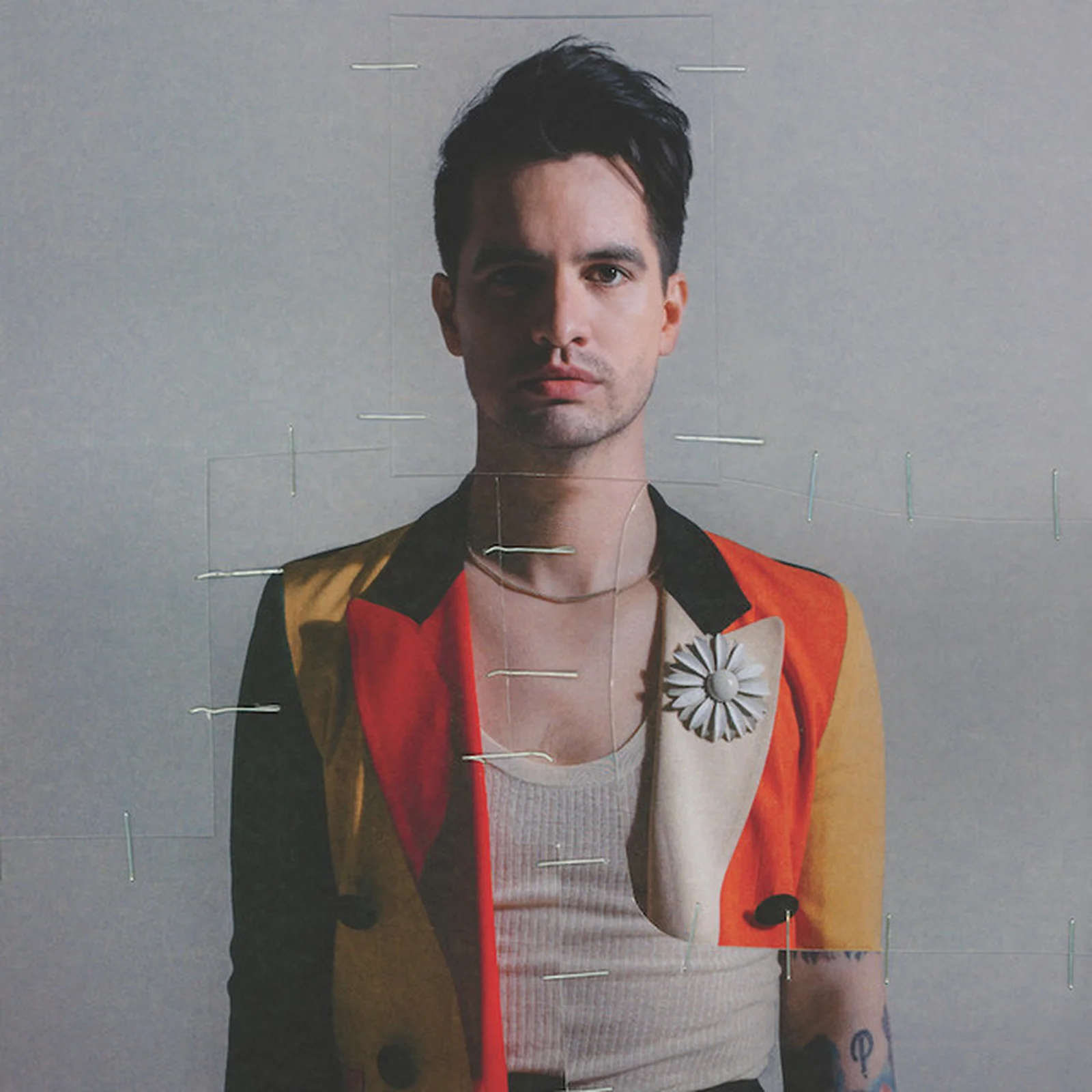
The final chapter came with the release of Viva Las Vengeance in August 2022. Recorded live to a tape machine, the album was a deliberate throwback to 1970s glam rock and power pop, with influences from Queen and Thin Lizzy. In January 2023, Brendon Urie announced that following the conclusion of the *Viva Las Vengeance* tour, Panic! at the Disco would be disbanded. He stated his desire to focus on his family, as he and his wife were expecting their first child, bringing the band’s 19-year journey to a close.
Cultural Impact and Connection to the Scene
Panic! at the Disco’s legacy is multifaceted. They were a band that not only achieved immense commercial success but also left a significant mark on the alternative music scene, with an influence that continues to be celebrated.
Influence on Their Primary Genres
Panic! at the Disco was a key player in the emo and pop-punk explosion of the mid-2000s. Their debut album’s blend of verbose, emotionally charged lyrics with danceable pop-punk and theatrical, baroque elements set them apart. They pushed the boundaries of what an “emo” band could sound like, incorporating elements of electronica, cabaret, and classic rock into their sound. This willingness to experiment influenced a generation of artists to be more ambitious and less constrained by genre labels. Brendon Urie’s flamboyant stage presence and powerful vocal range also became a defining feature, setting a high bar for frontmen in the alternative rock world.
Relevance in Nostalgia Events like Emo Night Pittsburgh
The enduring popularity of Panic! at the Disco’s early work is a testament to its cultural impact. For many, their music is synonymous with the emo scene of the 2000s. Songs like “I Write Sins Not Tragedies” and “Lying Is the Most Fun a Girl Can Have Without Taking Her Clothes Off” are anthems of that era. This is why the band remains a staple at nostalgia-fueled events like Emo Night Pittsburgh. A Pittsburgh Emo Night event would be incomplete without the inclusion of Panic! at the Disco’s music, as their songs evoke a powerful sense of time and place for attendees who grew up with their music. Their blend of angst, theatricality, and unforgettable hooks ensures their continued relevance in celebrating that specific, influential period of alternative music.
Frequently Asked Questions About Panic! at the Disco
- Who were the original members of Panic! at the Disco?
- The original members were Brendon Urie (lead vocals, guitar), Ryan Ross (guitar, primary lyricist), Spencer Smith (drums), and Brent Wilson (bass).
- What is Panic! at the Disco’s most famous song?
- While “High Hopes” was their highest-charting single, “I Write Sins Not Tragedies” from their debut album is arguably their most iconic and culturally significant song, defining the mid-2000s emo era.
- Why did Panic! at the Disco break up?
- In January 2023, Brendon Urie announced the disbandment of Panic! at the Disco. He stated that he and his wife were expecting their first child and he wanted to end that chapter of his life to focus on his family.
- How many members were in the band when it ended?
- By the end of its run, Panic! at the Disco was effectively a solo project. Brendon Urie was the only official member from 2015 until the band’s dissolution in 2023.
- What was the band’s final album?
- The final studio album released under the Panic! at the Disco name was Viva Las Vengeance, which was released in August 2022.
- What genres of music did Panic! at the Disco play?
- The band’s sound evolved significantly over its career. They are most often associated with genres such as pop-punk, emo, alternative rock, baroque pop, synth-pop, and power pop.