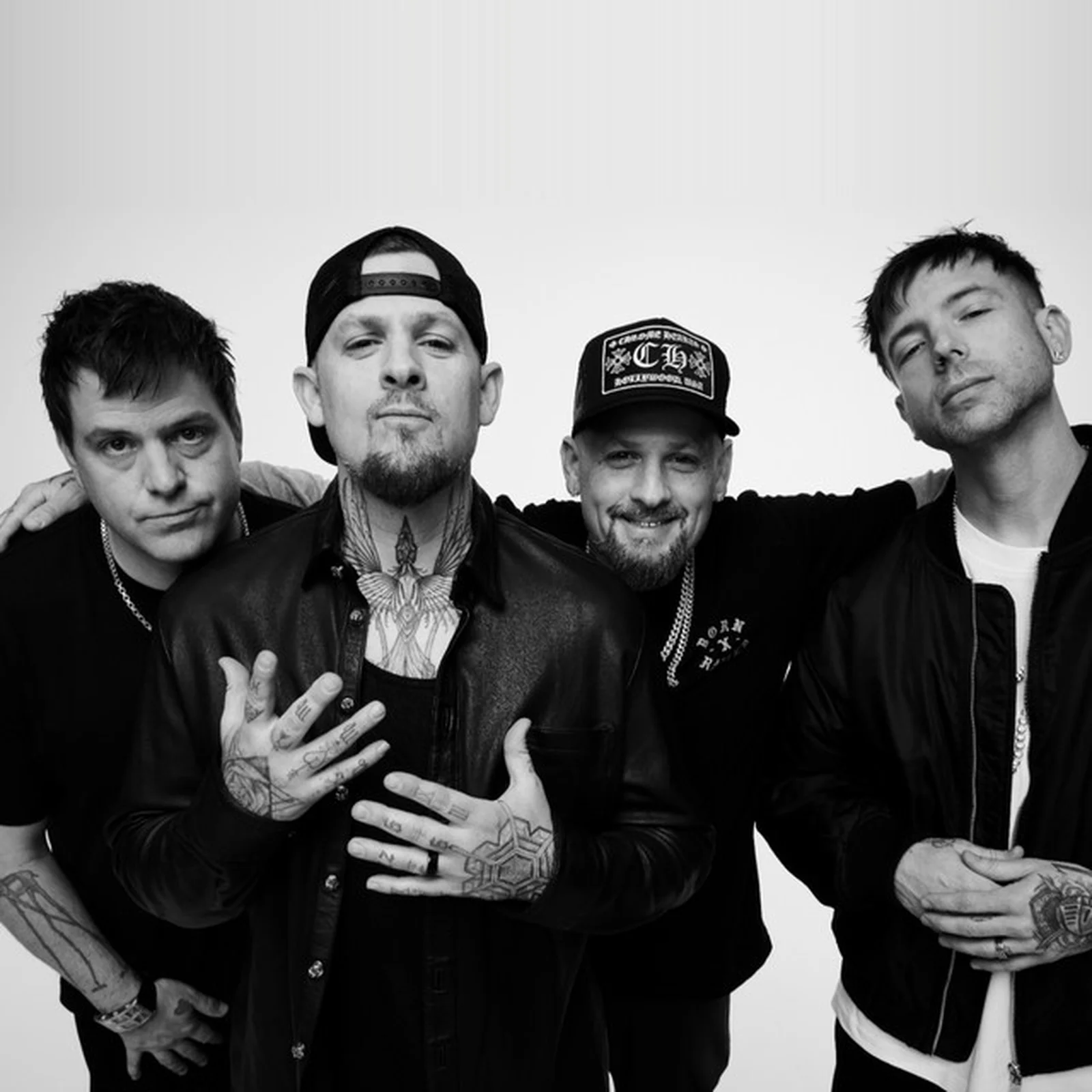
Good Charlotte is an American rock band that has left an indelible mark on the landscape of popular music since its formation in 1996. Emerging from Waldorf, Maryland, the band became a significant force in the pop-punk and alternative rock scenes of the early 2000s. Their anthemic songs, which often explored themes of alienation, social commentary, and resilience, resonated with a generation of listeners. The band’s enduring appeal is evident in its continued relevance, with its music remaining a cornerstone of events celebrating the genre, such as the popular Pittsburgh Emo Night. This biography provides a chronological and thematic analysis of Good Charlotte’s career, from their humble beginnings to their status as influential figures in modern rock.
Formation and Early Era
The genesis of Good Charlotte is a story of determination and youthful ambition. The band’s early years were defined by a relentless work ethic and a clear vision, laying the groundwork for their eventual mainstream success. This period saw them hone their sound, build a foundational fanbase, and release their initial recordings.
Origins and Formation
Good Charlotte was formed in 1996 by identical twin brothers Joel and Benji Madden (on vocals and guitar, respectively). Inspired after attending a Beastie Boys concert, the brothers, then just 16, committed to starting a band despite their limited musical experience. They enlisted fellow high school classmates Paul Thomas on bass and Aaron Escolopio on drums. The lineup was later solidified with the addition of Billy Martin on second guitar, whose own band had recently dissolved. The band’s name was derived from a children’s book, “Good Charlotte: The Girls of Good Day Orphanage” by Carol Beach York, a choice the members later admitted was more for its sound than any profound meaning.
The early years were characterized by struggle and a DIY ethos. The Madden brothers’ father had left the family when they were young, creating financial hardship that fueled much of their early songwriting. They moved from Waldorf to Annapolis, Maryland, immersing themselves in the local music scene and relentlessly promoting their band. They sent demos to record labels, played local venues, and worked to build a following from the ground up, opening for established acts like Blink-182 and Bad Religion. Their persistence paid off when they began to attract attention from major labels, ultimately signing with Epic Records in 2000.
Early Discography
Before their full-length debut, Good Charlotte released an EP titled Another EP in 1999, which helped generate local buzz. Their self-titled debut album, Good Charlotte, was released on September 26, 2000. The album introduced the band’s signature pop-punk sound, blended with elements of skate punk and alternative rock. While not a massive commercial success initially, it laid a critical foundation. The album featured singles like “Little Things,” “The Motivation Proclamation,” and “Festival Song.”
“Little Things,” in particular, gained traction on modern rock radio and its video received airplay on MTV2. The song’s lyrics, which touched on feelings of inadequacy and the frustrations of suburban life, were an early indicator of the band’s ability to connect with a youth audience. The album eventually achieved Platinum status in the US, a testament to its slow-burn success and the band’s relentless touring schedule, which included a spot on the Vans Warped Tour. This early work established Good Charlotte as a promising new voice in the burgeoning pop-punk movement.
The Mainstream Breakthrough
The period following their debut album marked a pivotal turning point for Good Charlotte. With a strategic shift in their sound and a collection of radio-ready anthems, the band transitioned from underground hopefuls to international superstars, defining the sound of early 2000s rock radio and MTV.
Pivotal Album(s) and Lineup Changes
The true breakthrough for Good Charlotte came with their sophomore album, The Young and the Hopeless, released on October 1, 2002. This album represented a more polished and commercially potent version of their sound, leaning heavily into stadium-sized hooks and anthemic choruses. Prior to its recording, the band experienced a lineup change. Drummer Aaron Escolopio departed in 2001 to join his brother’s band, Wakefield. While veteran session drummer Josh Freese played on the album, the band permanently recruited Chris Wilson as their new drummer shortly after its completion.
The Young and the Hopeless was a cultural phenomenon. It spawned a series of hit singles that became ubiquitous. “Lifestyles of the Rich & Famous” was a satirical takedown of celebrity culture that ironically made the band celebrities themselves. It was followed by “The Anthem,” a defiant and empowering track that became a rallying cry for disenfranchised youth. Other successful singles from the album included the pop-inflected “Girls & Boys,” the heartfelt ballad “Hold On,” and the title track. The album’s sonic architecture was a perfect blend of pop-punk energy and alternative rock accessibility, a formula that would influence countless bands.
Achieving Critical and Commercial Success
The Young and the Hopeless was a massive commercial success, eventually being certified 4x Platinum in the United States and selling over 5 million copies worldwide. The album peaked at number 7 on the Billboard 200 chart. The band became mainstays on MTV’s Total Request Live (TRL), with their music videos, which often featured a distinct visual style and narrative elements, playing in heavy rotation. Their success cemented their status as one of the leading bands of the era’s emo and pop-punk explosion.
This success allowed them to headline arena tours across the globe. The band’s image—a mix of punk rock aesthetics with a more polished, media-friendly presentation—made them both relatable to fans and marketable to a mass audience. This era defined Good Charlotte’s public identity and solidified their place in the pop culture zeitgeist, making their songs essential tracks for any retrospective of the period, including events like the Pittsburgh Emo Night, which celebrates the emotional and high-energy rock music of that time.
Musical Evolution and Key Events
Following their mainstream explosion, Good Charlotte navigated the pressures of fame and creative expectations. Their subsequent albums saw them experimenting with their sound, exploring darker themes, and dealing with the internal and external challenges that come with a successful career in the music industry.
Mid-career Albums and Sonic Shifts
The follow-up to their breakthrough was The Chronicles of Life and Death, released on October 5, 2004. This album was a more ambitious and thematically darker project. It was a concept album of sorts, exploring themes of mortality and existentialism, presented in two versions: a “Life” version and a “Death” version with slightly different tracklists. The album incorporated a wider range of musical influences, including elements of gothic rock and dance-rock, moving beyond their straightforward pop-punk roots. Singles included the driving “Predictable,” the defiant “I Just Wanna Live,” and the somber “We Believe.” While it was a commercial success, debuting at number 3 on the Billboard 200 and achieving Platinum status, it showcased a band unwilling to simply repeat a successful formula.
Their fourth album, Good Morning Revival (2007), marked an even more significant sonic departure. The band embraced dance-punk and electronic influences, reflecting the changing landscape of alternative music at the time. The lead single, “The River,” featuring M. Shadows and Synyster Gates of Avenged Sevenfold, retained a hard rock edge, but tracks like “Keep Your Hands off My Girl” and “Dance Floor Anthem (I Don’t Want to Be in Love)” were heavily synth-driven. This shift polarized some longtime fans but also demonstrated the band’s versatility. Their fifth album, Cardiology (2010), was framed as a return to their pop-punk roots, aiming to recapture the energy of their earlier work on tracks like “Like It’s Her Birthday.”
Hiatus, Reunions, or Significant Member Departures
In 2005, another lineup change occurred when drummer Chris Wilson left the band due to health issues. He was replaced by Dean Butterworth, who has remained with the band ever since. Following the release and tour for Cardiology, Good Charlotte announced an indefinite hiatus in 2011. The members cited burnout and a desire to pursue other projects after more than a decade of continuous recording and touring.
During the hiatus, the Madden brothers remained active in the music industry. They formed a side project called The Madden Brothers, releasing a 70s-inspired pop-rock album, Greetings from California, in 2014. They also became successful songwriters and producers for other artists, including 5 Seconds of Summer and All Time Low, and Joel Madden became a prominent television personality as a coach on The Voice Australia. This period allowed the members to recharge creatively and individually before reuniting Good Charlotte in 2015, announcing their return with the single “Makeshift Love.”
Modern Era
Since their reunion, Good Charlotte has operated with a renewed sense of purpose. No longer chasing mainstream trends, their modern work reflects a maturity and a comfortable embrace of their legacy, while still creating new music that speaks to both longtime fans and a new generation.
Recent Albums and Contemporary Activity
The band’s sixth studio album, Youth Authority, was released on July 15, 2016. Released on the Madden brothers’ own label, MDDN, the album was a celebration of their pop-punk heritage and featured collaborations with artists like Kellin Quinn of Sleeping with Sirens. It was a heartfelt return that was warmly received by their dedicated fanbase.
Their most recent full-length album, Generation Rx, followed on September 14, 2018. This record took a more somber and introspective turn, tackling heavy subjects like the opioid crisis, mental health struggles, and personal trauma. Tracks like “Actual Pain” and “Shadowboxer” showcased a lyrical depth and musical gravity that reflected their personal growth as artists and individuals. The album was seen as a powerful and relevant statement, connecting their personal experiences to broader societal issues.
In 2020, they released a single titled “Last December,” and after a period of relative quiet, the band began teasing a return in 2025. This culminated in the announcement of their eighth studio album, Motel Du Cap, scheduled for release on August 8, 2025. The first single, “Rejects,” released in June 2025, was described by the band as a return to their classic pop-punk sound, signaling a new chapter rooted in the energy that first defined them.
Cultural Impact and Connection to the Scene
Good Charlotte’s legacy extends beyond their record sales. They were a gateway band for many young music fans in the 2000s, introducing them to the worlds of punk, alternative, and emo music. Their influence is felt in the bands they inspired and their continued presence in cultural celebrations of that era.
Influence on Their Primary Genres
Good Charlotte played a crucial role in popularizing pop-punk and emo pop in the early 21st century. Alongside bands like Blink-182, Sum 41, and New Found Glory, they took a subculture and made it a mainstream force. Their fusion of punk’s aggressive energy with pop’s melodic sensibilities created a sound that was both rebellious and accessible. They provided a voice for a generation of teenagers navigating the complexities of identity, social pressure, and emotional turmoil. While sometimes facing criticism for being too commercial, their impact is undeniable. They helped create a viable commercial market for emotionally expressive rock music, paving the way for later waves of bands in the post-hardcore and alternative scenes.
Relevance in Nostalgia Events like Emo Night Pittsburgh
The enduring popularity of Good Charlotte’s music is on full display at nostalgia-fueled events like the Pittsburgh Emo Night. These events, which have surged in popularity, are communal celebrations of the music and culture of the 2000s emo and pop-punk scene. Good Charlotte’s biggest hits, particularly “The Anthem” and “Lifestyles of the Rich & Famous,” are staples of these nights. They serve as powerful, cathartic singalongs that transport attendees back to a specific time and feeling.
The band’s inclusion in a Pittsburgh Emo Night playlist is non-negotiable because their music perfectly encapsulates the spirit of the era: a blend of angst, sincerity, and infectious energy. For many, Good Charlotte was a foundational band, and hearing their songs in a communal setting is a powerful reminder of their youth and the cultural moments that shaped them. The band represents a key pillar of the emo pop movement, making their music essential to any authentic celebration of that scene.
Frequently Asked Questions About Good Charlotte
What genre is Good Charlotte?
Good Charlotte is primarily classified as a pop-punk and alternative rock band. Their music also incorporates elements of emo, skate punk, and, on later albums, dance-punk and electronic rock.
Who are the current members of Good Charlotte?
As of their most recent activity, the band consists of Joel Madden (lead vocals), Benji Madden (guitar and vocals), Paul Thomas (bass), Billy Martin (guitar and keyboards), and Dean Butterworth (drums).
What is Good Charlotte’s most successful album?
Their most commercially successful album is The Young and the Hopeless (2002). It has been certified 4x Platinum in the U.S. and featured several of their biggest international hit singles.
Did Good Charlotte break up?
The band went on an extended hiatus from 2011 to 2015 to focus on other projects and avoid burnout. They did not officially break up and have been actively recording and touring since their reunion in 2015.
Is Good Charlotte releasing a new album?
Yes. The band has announced their eighth studio album, titled Motel Du Cap, which is set to be released on August 8, 2025.