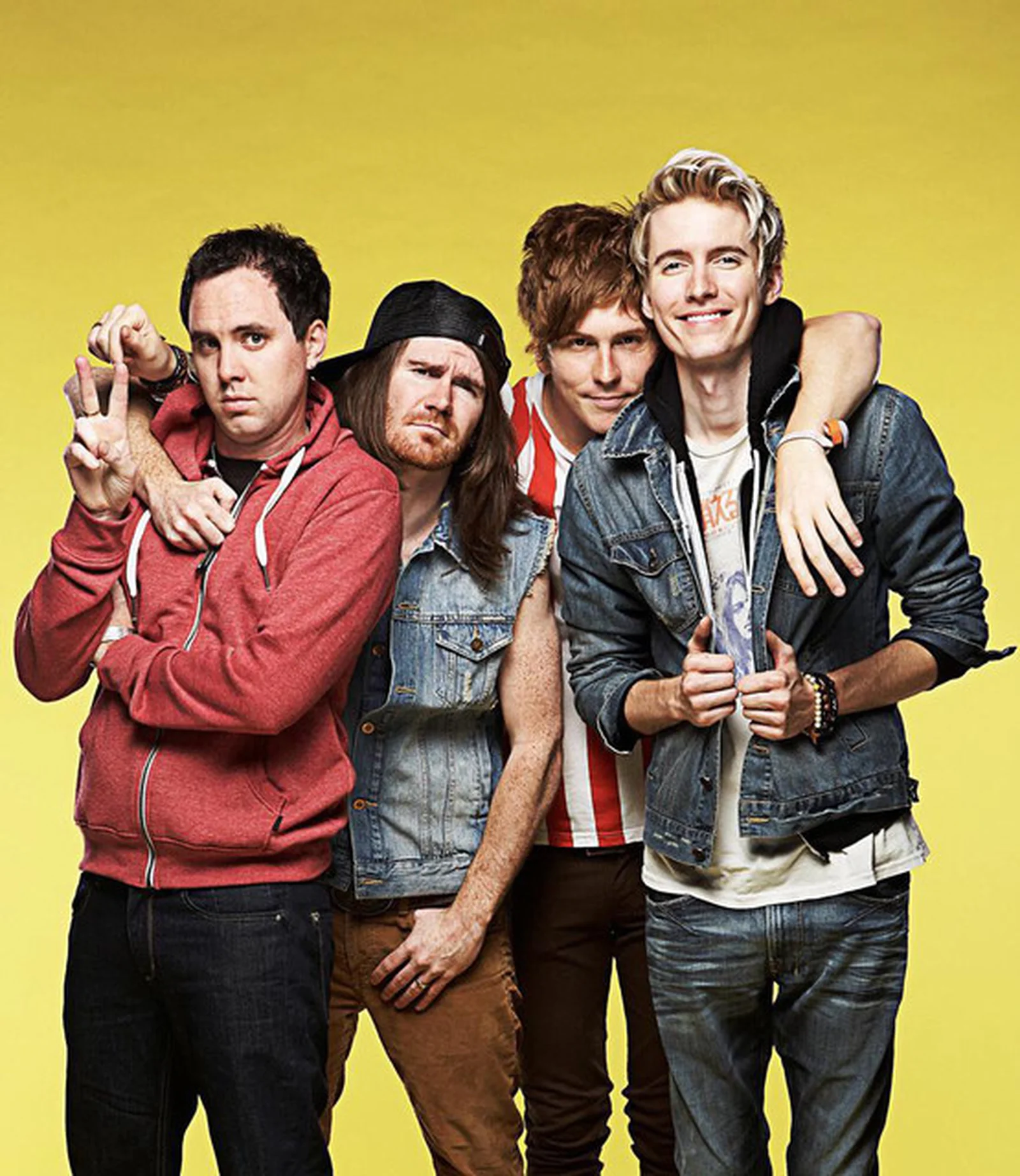
Forever the Sickest Kids emerged from the vibrant Dallas, Texas music scene in the mid-2000s, rapidly ascending as a prominent name in the pop-punk landscape. Characterized by their infectious hooks, multi-vocalist approach, and a distinctive fusion of pop, punk, and electronic elements, the band captured the zeitgeist of a generation. Their journey from a serendipitous online investment to national headliners is a definitive chapter in the story of 21st-century power pop. This biography details the chronological history, musical evolution, and lasting cultural impact of Forever the Sickest Kids, a band whose energetic anthems continue to resonate at events like Emo Night Pittsburgh.
Formation and Early Era
The genesis of Forever the Sickest Kids is a story of converging paths from the fertile ground of the Dallas-Fort Worth metroplex music scene. The members’ pre-FTSK projects laid the essential groundwork for what would become their signature sound, blending raw punk energy with polished pop sensibilities.
Origins and Formation
Before forming Forever the Sickest Kids in late 2006, its members were active in separate local bands. Vocalist Jonathan Cook and drummer Kyle Burns were part of a group called Good Day Josif. Concurrently, guitarists Caleb Turman and Marc Stewart, along with bassist Austin Bello, were in a band named Been Bradley. When both of these projects reached their natural conclusions, the members decided to merge their talents. The resulting lineup consisted of Jonathan Cook (vocals), Austin Bello (bass, vocals), Caleb Turman (rhythm guitar, vocals), Marc Stewart (lead guitar), Kyle Burns (drums), and Kent Garrison (keyboards). This six-piece configuration, featuring three distinct vocalists, became a hallmark of their early sound, allowing for complex harmonies and dynamic vocal interplay.
The band’s formation story is famously tied to an accidental financial commitment. Shortly after uniting, Cook, while exploring the music discovery platform PureVolume, inadvertently spent $350 for a front-page song feature—a sum the fledgling band did not possess for a song they had not yet written. This predicament spurred immediate action. The band quickly composed and recorded their first track, “Hey Brittany,” with producer Geoff Rockwell. The investment paid off, as the song garnered significant online attention, acting as the catalyst that brought them to the attention of major record labels.
Early Discography
The buzz generated by “Hey Brittany” led to a record deal with Universal Motown Records in April 2007, a remarkably swift signing that occurred just months after the band’s formation. Wasting no time, Forever the Sickest Kids released their debut EP, Television Off, Party On, on July 3, 2007. This release introduced their high-energy, synth-infused brand of pop-punk to a wider audience. Tracks from this EP showcased their knack for crafting catchy, upbeat anthems. This initial offering was followed by two more EPs, The Sickest Warped Tour EP and Hot Party Jamz, which further solidified their presence in the scene and built anticipation for a full-length album. Their early work established them as a key player in the alternative rock and power pop movements of the era.
The Mainstream Breakthrough
With a major label backing and a rapidly growing fanbase, Forever the Sickest Kids was perfectly positioned for a mainstream breakthrough. Their debut full-length album would not only meet but exceed expectations, launching them from an online phenomenon to a national touring force and a staple on music television and radio.
Pivotal Album(s) and Lineup Changes
The band’s debut studio album, Underdog Alma Mater, was released on April 29, 2008. The album was a definitive statement, refining the sound of their early EPs into a cohesive and explosive collection of songs. Produced by a team including Matt Squire (Panic! at the Disco, All Time Low) and Geoff Rockwell, the record was a polished and potent blend of pop-punk guitars, synth-pop keyboards, and anthemic, multi-layered vocals. The lead single, “Whoa Oh! (Me vs. Everyone),” became an instant hit, encapsulating the band’s energetic and confident style. A re-recorded version of “Hey Brittany” also appeared on the album, alongside other standout tracks like “She’s a Lady” and “Catastrophe.” Underdog Alma Mater was a critical success within the genre, praised for its infectious energy and ambitious production. This album remains a cornerstone of their discography and a fan favorite at any Pittsburgh Emo Night.
Achieving Critical and Commercial Success
Underdog Alma Mater debuted at number 45 on the Billboard 200 chart, a significant achievement for a new artist in the pop-punk scene. The single “Whoa Oh! (Me vs. Everyone)” received substantial airplay, charting on the Billboard Pop 100 and becoming a staple on MTV’s TRL. The band’s profile was further raised through relentless touring, including spots on the Vans Warped Tour and the Alternative Press Tour. They shared stages with contemporaries like All Time Low, The Rocket Summer, and Metro Station, solidifying their place within the genre’s hierarchy. Their music, which skillfully blended elements of emo pop and alternative rock, resonated with a wide audience looking for high-energy, emotionally expressive music. In 2009, the band released a new version of “Whoa Oh!” featuring pop star Selena Gomez, further expanding their reach into the mainstream pop world.
Musical Evolution and Key Events
Following the success of their debut, Forever the Sickest Kids navigated the shifting musical landscape of the late 2000s and early 2010s. This period was marked by sonic experimentation, ambitious conceptual projects, and significant changes to their lineup and label support system.
Mid-career Albums and Sonic Shifts
Instead of a traditional sophomore album, the band initially planned a series of EPs titled The Weekend. The first installment, The Weekend: Friday, was released in November 2009. It featured the single “What Do You Want from Me” and continued their exploration of synth-heavy power pop. However, the planned subsequent EPs were ultimately consolidated into their second full-length album. Released on March 1, 2011, the self-titled Forever the Sickest Kids saw the band embracing a more mature and diverse sound. While still rooted in pop-punk, the album incorporated broader rock influences and more nuanced production, with tracks like “Keep On Bringing Me Down” and “I Guess You Can Say Things Are Getting Pretty Serious.” The album peaked at number 33 on the Billboard 200, demonstrating their sustained popularity.
This era also saw the band’s departure from Universal Motown after the label’s restructuring. After a period of independence, they signed with Fearless Records, a label renowned for its work with punk and post-hardcore bands. Their third album, J.A.C.K., was released on June 25, 2013. The title is an acronym of the first names of the then-current members: Jonathan, Austin, Caleb, and Kyle. This album marked a return to a more guitar-driven, rock-oriented sound, while still retaining their signature pop hooks. It was a clear reflection of a more streamlined, four-piece lineup and a desire to reconnect with their core pop-punk and emo roots.
Hiatus, Reunions, or Significant Member Departures
The period surrounding the self-titled album and J.A.C.K. was one of significant transition. In 2011, keyboardist Kent Garrison and guitarist Marc Stewart departed from the band. This shifted the group’s dynamic, solidifying them as a four-piece and leading to the more rock-focused sound of their third album. Following the touring cycle for J.A.C.K., the band announced an indefinite hiatus in 2013 to focus on individual projects. This news was met with disappointment from their dedicated fanbase, who had followed them for the better part of a decade. However, the hiatus was not permanent. The band reunited in 2017 to perform at the So What?! Music Festival, playing Underdog Alma Mater in its entirety to celebrate its upcoming tenth anniversary. This reunion was met with immense enthusiasm and led to sporadic shows and festival appearances in subsequent years, reaffirming their status as a beloved legacy act in the scene.
Modern Era
In the years following their official hiatus, Forever the Sickest Kids has embraced their role as influential figures in the pop-punk genre. While new studio recordings have been sparse, their continued presence through live performances ensures their music remains vital and discovers new audiences.
Recent Albums and Contemporary Activity
Since their 2017 reunion, Forever the Sickest Kids has not released a new full-length studio album. Their activity has primarily consisted of high-profile reunion shows and anniversary tours, allowing them to celebrate their legacy with longtime fans. In 2023 and 2024, they continued to perform, often featured on festival lineups that celebrate the emo and pop-punk explosion of the 2000s. While fans remain hopeful for new music, the band’s focus has been on delivering powerful live performances that honor their existing catalog. Their continued activity demonstrates the enduring appeal of their music and their importance to the pop-punk canon. They remain a celebrated act, whose songs are a perfect fit for the high-energy, nostalgic atmosphere of an Emo Night Pittsburgh event.
Cultural Impact and Connection to the Scene
The influence of Forever the Sickest Kids extends beyond their chart performance and record sales. They were a key part of a musical movement that defined a generation’s teenage years, and their work continues to be celebrated for its energy, optimism, and craftsmanship.
Influence on Their Primary Genres
Within the pop-punk, power pop, and emo pop genres, Forever the Sickest Kids carved a unique niche. Their integration of synthesizers and dance-pop elements, combined with the traditional high-octane energy of punk rock, set them apart from many of their peers. This “neon pop-punk” sound influenced a wave of bands that followed, who similarly blended electronic textures with rock instrumentation. Their multi-vocalist dynamic also added a layer of complexity and catchiness to their songs that was widely admired. They proved that pop-punk could be unapologetically fun, polished, and commercially viable without sacrificing its energetic core. Their albums, particularly Underdog Alma Mater, are often cited as essential listens for understanding the sound of the late 2000s pop-punk scene.
Relevance in Nostalgia Events like Emo Night Pittsburgh
In recent years, the cultural resurgence of 2000s-era emo and pop-punk has been undeniable. Events like Emo Night Pittsburgh and Pittsburgh Emo Night have become massively popular, providing a communal space for fans to celebrate the music that shaped their youth. Forever the Sickest Kids is a quintessential band for these events. Their anthemic, singalong choruses and upbeat, danceable rhythms make their songs staples of any emo night DJ set. Tracks like “Whoa Oh! (Me vs. Everyone)” and “She’s a Lady” are guaranteed to evoke a powerful sense of nostalgia and create an energetic dance floor. The band’s music embodies the optimistic and high-spirited side of the emo and pop-punk spectrum, offering a perfect counterpoint to the more melancholic anthems of the era and proving their lasting relevance in the contemporary music landscape.
Frequently Asked Questions About Forever the Sickest Kids
- What genre is Forever the Sickest Kids?
- Forever the Sickest Kids is primarily classified as pop-punk and power pop. Their music also incorporates significant elements of emo pop, alternative rock, and synth-pop, particularly noted for their use of keyboards and electronic textures.
- Who are the original members of Forever the Sickest Kids?
- The original six-piece lineup of Forever the Sickest Kids consisted of Jonathan Cook (vocals), Austin Bello (bass, vocals), Caleb Turman (rhythm guitar, vocals), Marc Stewart (lead guitar), Kyle Burns (drums), and Kent Garrison (keyboards).
- What is Forever the Sickest Kids’ most famous song?
- The band’s most famous and commercially successful song is “Whoa Oh! (Me vs. Everyone)” from their 2008 debut album, Underdog Alma Mater. The track was a staple on pop radio and music television.
- Is Forever the Sickest Kids still together?
- After a hiatus that began in 2013, Forever the Sickest Kids officially reunited in 2017. While they have not released a new full-length album since 2013’s J.A.C.K., they continue to perform live at festivals and on special anniversary tours.
- How did Forever the Sickest Kids get their name?
- The band’s name was reportedly derived from a combination of phrases and inside jokes among the members during their formation, intended to capture a sense of youthful energy and hyperbole.
- What was the J.A.C.K. album title an acronym for?
- The title of their third studio album, J.A.C.K., is an acronym for the first names of the four members in the band at the time of its release: Jonathan, Austin, Caleb, and Kyle.