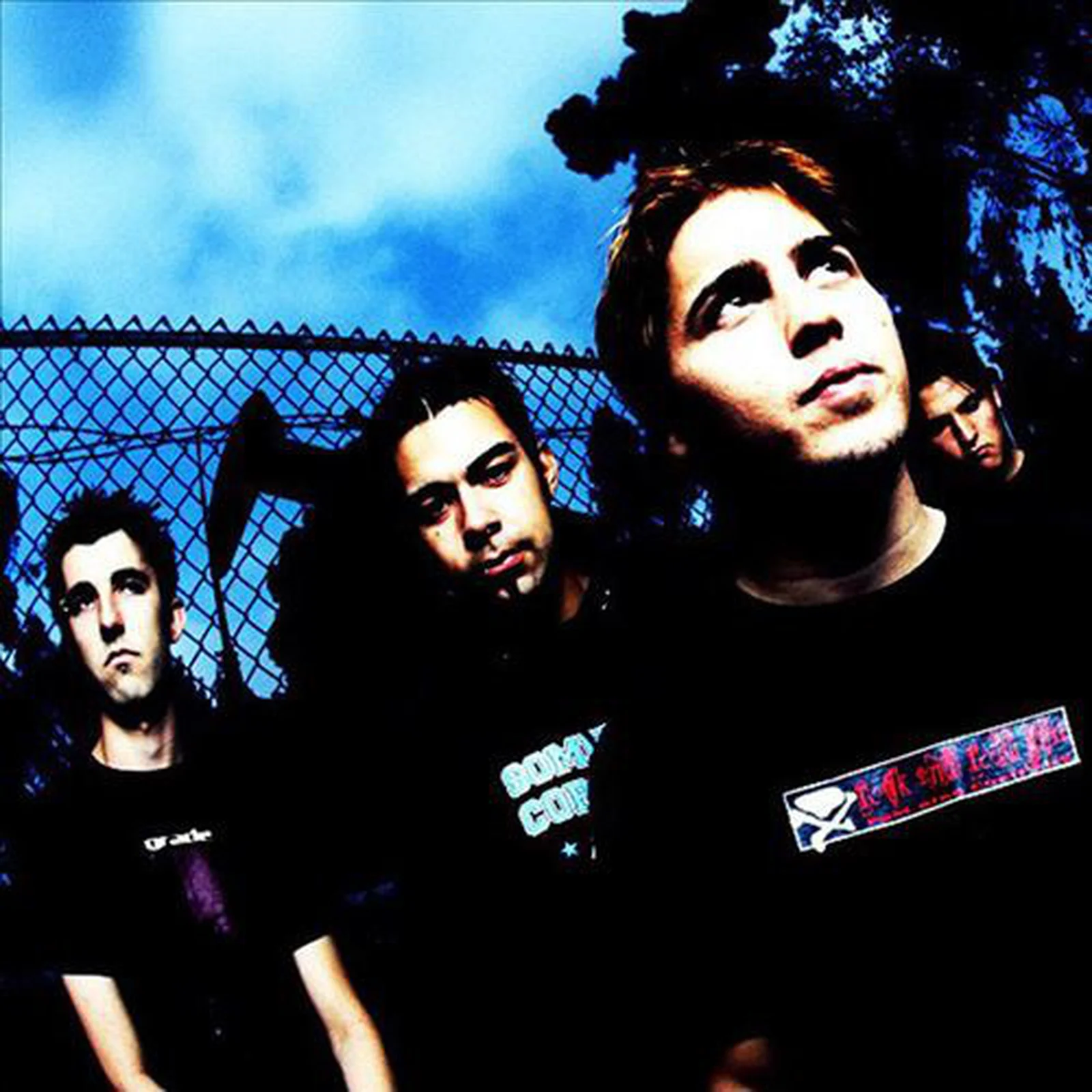
Finch emerged at the turn of the millennium as a formidable force in the Southern California music scene, rapidly ascending to become one of the most definitive bands of the early 2000s post-hardcore movement. Their adept fusion of melodic sensibilities with abrasive, raw aggression carved out a unique sonic space that both defined and transcended the era. By blending soaring, clean vocals with visceral screams, intricate guitar harmonies, and powerfully dynamic rhythms, Finch created a sound that resonated deeply with a generation of listeners. The band’s trajectory—marked by a celebrated debut, a challenging and experimental sophomore album, multiple hiatuses, and triumphant reunions—chronicles a journey of artistic evolution and enduring influence. Their work remains a cornerstone of the emo and post-hardcore genres, capturing a specific moment in music history while continuing to influence new artists and energize fans at nostalgia-fueled events.
Formation and Early Era
The genesis of Finch lies in the fertile ground of the late 1990s Southern California rock scene. The band’s initial years were characterized by youthful ambition, rapid development, and the forging of a sound that would soon capture the attention of a major independent record label, setting the stage for their explosive entry into the mainstream consciousness.
Origins and Formation
Finch was formed in Temecula, California, in 1999. The founding lineup consisted of vocalist Nate Barcalow, guitarist Randy “R2K” Strohmeyer, guitarist Alex “Grizz” Linares, bassist Derek Doherty, and drummer Alex Pappas. Initially performing under the name Nasty Fucking Gangsters (N.F.G.), the group quickly sought a more serious moniker that better reflected their evolving musical direction. They settled on “Finch,” a name suggested by Strohmeyer, and began to build a local following by playing shows throughout the region. Their early sound was heavily indebted to the pop-punk and skate punk scenes prevalent at the time, but they soon began incorporating more aggressive and intricate elements drawn from post-hardcore and emo influences. It was this developing hybrid sound that began to distinguish them from their peers. Strohmeyer’s connection to Drive-Thru Records, where he worked in A&R and web design, proved instrumental. He introduced the band’s music to label co-founder Richard Reines, which led to their signing in 2000.
Early Discography
After securing a deal with Drive-Thru Records, Finch entered the studio with producer Chris Fudurich to record their debut EP. The result was the Falling Into Place EP, released in October 2001. This four-track release served as a crucial introduction to the band’s signature style. It showcased their ability to seamlessly shift between polished, melodic verses and intense, screamed choruses, a dynamic that would become their hallmark. Tracks like “Perfection Through Silence” and the title track demonstrated a musical maturity that belied their young age. The EP was well-received within the underground scene and created significant anticipation for a full-length album. It effectively bridged the gap between their pop-punk origins and the more complex, emotionally charged alternative rock and post-hardcore sound they were cultivating. This early work laid the foundational aesthetic for what would become one of the genre’s most iconic albums.
The Mainstream Breakthrough
Following the groundwork laid by their debut EP, Finch capitalized on their momentum with a full-length album that would not only define their career but also become a landmark release for the entire emo and post-hardcore movement of the early 21st century. This period saw the band ascend from a promising regional act to an internationally recognized name.
Pivotal Album(s) and Lineup Changes
The pivotal album for Finch was, without question, their 2002 full-length debut, What It Is to Burn. Released through a joint agreement between Drive-Thru and MCA Records, the album was produced by Mark Trombino (Jimmy Eat World, Blink-182), whose expertise was critical in sharpening the band’s sound. Trombino’s production polished their melodic hooks while amplifying the raw power of their heavier sections, resulting in a record that was both accessible and sonically aggressive. The album’s title track featured guest vocals from Daryl Palumbo of Glassjaw, a collaboration that solidified Finch’s credibility within the post-hardcore community. Lyrically, Nate Barcalow explored themes of heartbreak, betrayal, and introspection with a raw, earnest delivery that connected powerfully with the band’s audience. The album’s intricate guitar interplay between Strohmeyer and Linares became a defining characteristic, establishing a blueprint for many bands that followed. While the core lineup remained intact during the recording, the intense touring cycle that followed began to strain the band, foreshadowing future lineup shifts.
Achieving Critical and Commercial Success
What It Is to Burn was a resounding success, both commercially and critically. It peaked at number 99 on the Billboard 200 chart and was eventually certified Gold by the RIAA. The album’s lead singles, “Letters to You” and the title track “What It Is to Burn,” received significant airplay on rock radio stations and television networks like MTV2. The accompanying music videos became staples of the era’s programming, exposing Finch to a massive new audience. The album was lauded by critics for its dynamic songwriting and its masterful balance of melody and aggression. It established Finch as leaders of the burgeoning emo and post-hardcore scenes alongside contemporaries like The Used and Thursday. The band embarked on extensive tours, including spots on the Warped Tour and high-profile support slots for major acts, further cementing their status. This period of success solidified What It Is to Burn as a quintessential album of its genre and a touchstone for a generation of music fans.
Musical Evolution and Key Events
After the monumental success of their debut, Finch faced the classic challenge of the sophomore album. The band chose to pivot away from the sound that had made them famous, opting for a more complex, challenging, and abrasive musical direction. This era was defined by significant sonic shifts, lineup instability, and an eventual hiatus that left their future uncertain.
Mid-career Albums and Sonic Shifts
Finch’s second full-length album, Say Hello to Sunshine, was released in 2005 on Geffen Records, following MCA’s dissolution. The album marked a dramatic departure from the polished post-hardcore of What It Is to Burn. Before its recording, the band experienced significant internal turmoil, leading to the departure of original drummer Alex Pappas, who was replaced by Marc Allen. Bassist Derek Doherty also departed, with Daniel Wonacott taking his place. These lineup changes, coupled with a desire to avoid artistic stagnation, resulted in a record that was far darker, heavier, and more experimental. Produced by the band themselves along with Jason Cupp, Say Hello to Sunshine featured more complex song structures, dissonant guitar riffs, and a far more aggressive vocal performance from Barcalow. Songs like “Bitemarks and Bloodstains” and “Insomniatic Meat” showcased a visceral, almost chaotic energy that alienated some fans expecting a direct sequel to their debut. However, the album also earned a dedicated following among listeners who appreciated its artistic ambition and raw, unfiltered intensity, solidifying its status as a cult classic.
Hiatus, Reunions, or Significant Member Departures
The internal pressures and the mixed reception to their new direction took a toll on Finch. In February 2006, the band announced they were going on an “indefinite hiatus,” citing creative differences and burnout. The members dispersed to pursue other projects. However, the hiatus was short-lived. In late 2007, the band announced their reunion and began playing shows, eventually releasing a self-titled EP in 2008. This reunion period lasted until late 2010, when the band once again disbanded. The most significant reunion occurred in 2012, when the classic What It Is to Burn lineup (including Doherty and Pappas) reunited to celebrate the album’s 10th anniversary. The tour was immensely successful, demonstrating the enduring legacy of their debut. This momentum carried the band forward, leading to the decision to write new music and embark on a new chapter with a solidified lineup of Barcalow, Strohmeyer, Linares, Pappas, and Wonacott.
Modern Era
Energized by their successful anniversary tours, Finch entered a new creative phase, culminating in their first full-length album in nearly a decade. This modern era saw the band reconcile their diverse sonic history, blending the melodicism of their early work with the aggressive experimentalism of their later material, before ultimately concluding their journey once more.
Recent Albums and Contemporary Activity
In 2014, Finch released their third studio album, Back to Oblivion, via Razor & Tie. It was the first full-length to feature the “classic” lineup in over a decade, though Alex Pappas handled drum duties instead of original drummer Alex Linares returning to the kit full-time. The album was largely seen as a synthesis of the band’s two preceding records. It recaptured some of the melodic hooks and structural sensibilities of What It Is to Burn while retaining the heavier, more intricate musicianship of Say Hello to Sunshine. Tracks like “Two Guns to the Temple” and the title track “Back to Oblivion” were celebrated by fans for successfully merging the best elements of the band’s past. The album was well-received and supported by extensive touring. However, in late 2016, the band once again announced their dissolution. Since then, Finch has remained largely inactive, save for occasional anniversary shows and a one-off livestream performance in 2021, cementing their legacy as a band that burns brightly but intermittently.
Cultural Impact and Connection to the Scene
Finch’s legacy extends far beyond their recorded output. They were instrumental in shaping the sound and aesthetic of a major musical subculture in the early 2000s. Their influence is still felt today, both in the music of contemporary bands and in the powerful nostalgia that fuels the thriving emo revival scene.
Influence on Their Primary Genres
Finch’s impact on the genres of post-hardcore and emo is immense. What It Is to Burn became a foundational text for the scene, establishing a potent formula of screamed verses, soaring clean choruses, and dueling melodic guitar lines. This “quiet/loud” dynamic, while not invented by Finch, was perfected by them in a way that was both commercially viable and artistically credible. They provided a crucial bridge between the raw, underground sounds of 1990s hardcore and the more polished, emotionally accessible alternative rock that dominated the charts. Countless bands that followed adopted elements of Finch’s style, from their vocal interplay to their intricate guitar work. Furthermore, the artistic risk taken on Say Hello to Sunshine, while polarizing at the time, demonstrated a commitment to evolution that encouraged other artists in the scene to push their own creative boundaries rather than rest on their laurels.
Relevance in Nostalgia Events like Emo Night Pittsburgh
The music of Finch remains a vital component of the modern emo revival, particularly at events designed to celebrate the genre’s golden era. At a gathering like Emo Night Pittsburgh, the opening notes of “Letters to You” or “What It Is to Burn” are guaranteed to elicit a massive, passionate response from the crowd. These songs are more than just nostalgic hits; they are anthems that encapsulate the emotional landscape of a specific time for an entire generation. For attendees of a Pittsburgh Emo Night, hearing Finch is a transportive experience, bringing back memories of their youth and the vibrant scene that surrounded this music. The band’s enduring popularity in these settings underscores their importance. Finch is not merely a footnote in music history; they are a core artist whose work continues to provide a powerful, communal experience for fans old and new, making them an essential part of any celebration of emo culture, especially for the dedicated community at Emo Night Pittsburgh.
Frequently Asked Questions About Finch
What genre of music is Finch?
Finch is primarily identified with the post-hardcore and emo genres. Their sound incorporates elements of alternative rock and, particularly in their early work, pop-punk. They are best known for their dynamic blend of melodic singing and aggressive screaming vocals, paired with intricate and heavy guitar work.
What is Finch’s most famous album?
Finch’s most famous and commercially successful album is their 2002 debut, What It Is to Burn. The album was certified Gold in the United States and is considered a landmark release of the early 2000s emo and post-hardcore scene, featuring iconic tracks like “Letters to You” and the title track.
Who were the original members of Finch?
The original lineup of Finch consisted of Nate Barcalow (vocals), Randy “R2K” Strohmeyer (guitar), Alex “Grizz” Linares (guitar), Derek Doherty (bass), and Alex Pappas (drums).
Is the band Finch still together?
As of recent years, Finch is not actively together. The band has gone through several periods of activity and hiatus. Their last official breakup was announced in late 2016. They have since performed for occasional anniversary tours and one-off online events but are not currently operating as a full-time band.
Why was Finch’s second album, ‘Say Hello to Sunshine,’ so different from their debut?
Say Hello to Sunshine (2005) was intentionally different as the band sought to evolve artistically and avoid creating a simple follow-up to their debut. Influenced by lineup changes (the departure of their original drummer and bassist), a desire for a more raw sound, and a push against commercial expectations, the album is significantly heavier, more complex, and more experimental than What It Is to Burn.