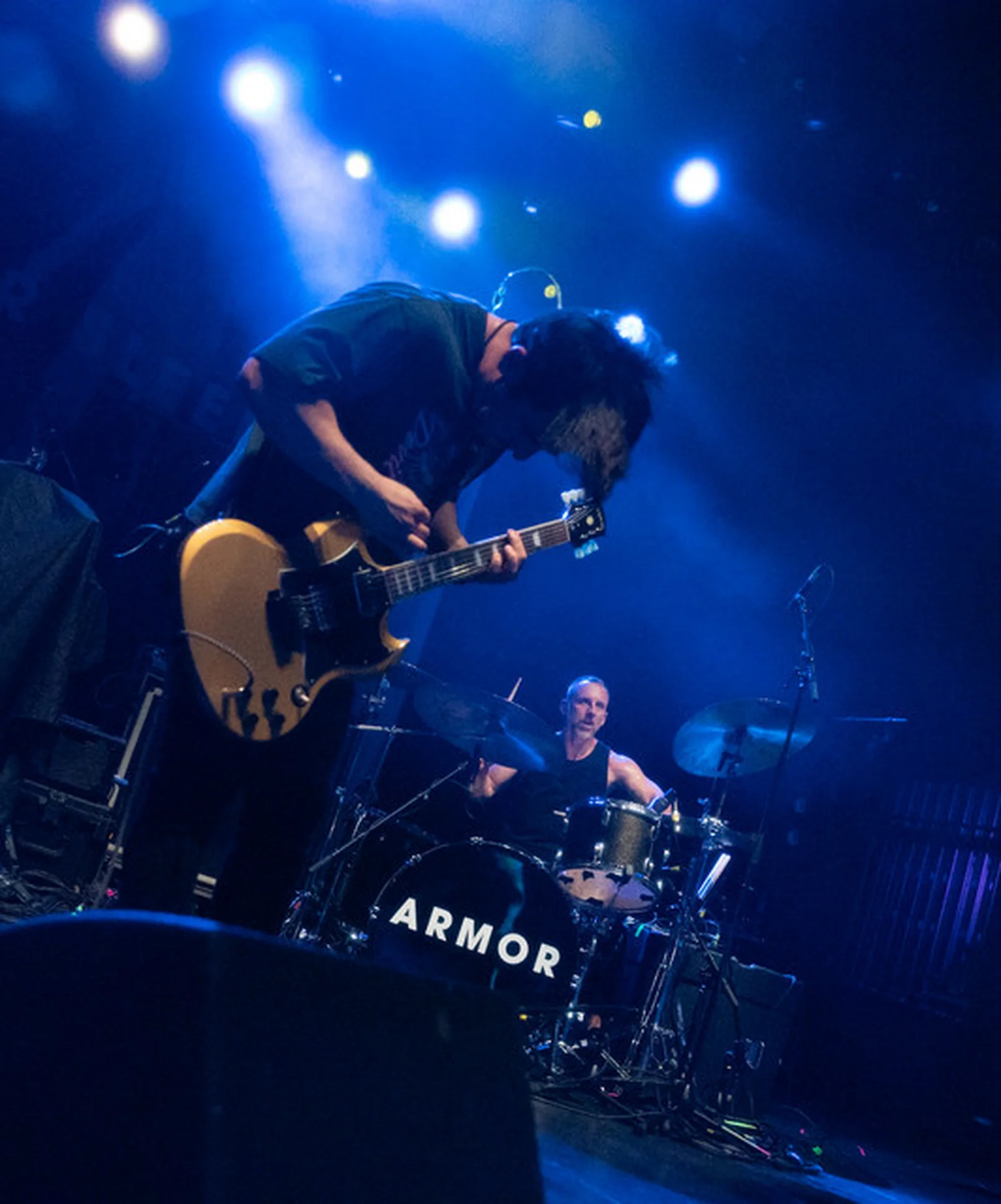
Armor for Sleep emerged from the vibrant New Jersey music scene in the early 2000s, crafting a unique sonic identity that blended the introspective and emotional weight of emo with the atmospheric textures of space rock and the driving energy of post-hardcore. The band’s conceptual songwriting, intricate musicianship, and thematic depth allowed them to carve out a significant niche within a generation of listeners seeking music that was both intellectually stimulating and emotionally resonant. Over their career, Armor for Sleep not only achieved commercial success but also cultivated a dedicated fanbase that continues to celebrate their work, ensuring their legacy endures in events like Emo Night Pittsburgh, where their anthems remain a staple.
Formation and Early Era
The genesis of Armor for Sleep is rooted in the creative ambition of its principal songwriter, Ben Jorgensen. The band’s early years were characterized by a period of rapid development, culminating in a debut album that would establish their signature sound and thematic preoccupations.
Origins and Formation
Formed in Teaneck, New Jersey, in 2001, Armor for Sleep was the brainchild of singer, guitarist, and songwriter Ben Jorgensen. Following the dissolution of his prior punk band, Random Task, Jorgensen sought to create a project with greater artistic scope and lyrical substance. He recruited a lineup of dedicated local musicians, including guitarist PJ DeCicco, bassist Anthony DiIonno, and drummer Nash Breen. This original lineup solidified the band’s core, combining technical proficiency with a shared passion for the burgeoning alternative rock and emo scenes. The name itself, “Armor for Sleep,” was conceived by Jorgensen to reflect the idea of escaping into dreams and the subconscious, a theme that would become central to their artistic identity. The band quickly began writing and rehearsing, honing a sound that was both aggressive and melodic, setting them apart from many of their regional contemporaries.
Early Discography
After circulating a self-released demo that garnered attention within the underground music community, Armor for Sleep signed with independent label Equal Vision Records in 2002. This partnership provided the platform for their debut full-length album, Dream to Make Believe, released in 2003. The record was a bold statement, a concept album built around a narrative of a man in a coma, with each song representing a different dream or memory. Musically, the album was a fusion of genres; tracks like “Dream to Make Believe” and “My Town” showcased their ability to blend emo’s melodic sensibilities with the layered, effects-laden guitar work of space rock. The album was not a major commercial hit upon release but was a critical success within the independent music world, praised for its ambition and lyrical depth. It established Armor for Sleep as a band unafraid to tackle complex concepts, laying the foundational sound that would be refined on their subsequent releases and solidifying their place in the emo and post-hardcore landscape.
The Mainstream Breakthrough
The mid-2000s marked a period of significant growth for Armor for Sleep, as the band transitioned from a promising independent act to a recognized name in the alternative rock mainstream. This era was defined by a pivotal album that captured the zeitgeist of the emo movement and brought the band widespread acclaim.
Pivotal Album(s) and Lineup Changes
The turning point for Armor for Sleep arrived with their sophomore album, What to Do When You Are Dead, released in February 2005. The album was another conceptual work, this time exploring the theme of the afterlife from various perspectives. Each song delves into the protagonist’s post-mortem journey, grappling with themes of regret, loss, and the nature of existence. The album’s narrative was more direct and its production more polished than their debut, resulting in a sound that was both powerful and accessible. The core lineup of Jorgensen, DeCicco, DiIonno, and Breen remained intact, their chemistry and musical interplay reaching new heights. The album’s lead single, “Car Underwater,” became an anthem for the band, its driving rhythm and cathartic chorus resonating deeply with a generation of fans. Other tracks, like “The Truth About Heaven” and “Remember to Feel Real,” further showcased their maturing songwriting and ability to craft emotionally charged rock songs with pop sensibility.
Achieving Critical and Commercial Success
What to Do When You Are Dead was a significant commercial success for Armor for Sleep. It debuted on the Billboard 200 chart and peaked at number one on the Heatseekers Album chart, a testament to their growing popularity. The music videos for “Car Underwater” and “The Truth About Heaven” received regular airplay on MTV and Fuse, exposing the band to a national audience. The album was lauded by critics for its cohesive concept and sophisticated songwriting, solidifying their reputation as one of the most intelligent bands in the emo genre. This success led to extensive touring, including spots on the Vans Warped Tour and tours alongside prominent acts like Fall Out Boy, My Chemical Romance, and Taking Back Sunday. The album’s themes and anthemic songs became a cornerstone of the mid-2000s emo scene, and its enduring popularity is evident today, with its tracks being frequent highlights at any Pittsburgh Emo Night.
Musical Evolution and Key Events
Following their mainstream breakthrough, Armor for Sleep entered a phase of artistic exploration and change. This period saw the band grapple with the pressures of major-label expectations while continuing to evolve their sound, ultimately leading to a hiatus and a celebrated return.
Mid-career Albums and Sonic Shifts
For their third album, Armor for Sleep signed with Sire Records, a major label, signaling a new chapter in their career. The result was 2007’s Smile for Them. The album marked a departure from the high-concept narratives of their previous work, instead focusing on a critique of celebrity culture and societal superficiality. Sonically, the album was more direct and rock-oriented, shedding some of the spacey, atmospheric elements in favor of a more polished, alternative rock sound. Songs like “Williamsburg” and “Hold the Door” were catchy and guitar-driven, demonstrating a clear sonic evolution. While the album was well-received and charted on the Billboard 200, some longtime fans were divided by the shift in thematic and musical direction. Following the album cycle, the band released an EP in 2008 titled The Way Out Is Broken, which served as their final release before a prolonged period of inactivity.
Hiatus, Reunions, or Significant Member Departures
In 2009, after a period of silence, Ben Jorgensen officially announced that Armor for Sleep was disbanding. The members went on to pursue other projects, and for a time, it seemed the band’s story had concluded. However, the demand from their dedicated fanbase never waned. The band first reunited in 2012 for a series of celebrated shows and again in 2015. The most significant reunion occurred in 2020 with the announcement of a 15th-anniversary tour for What to Do When You Are Dead. Though delayed by the global pandemic, the tour was a massive success when it finally commenced, proving the band’s lasting appeal. These reunion shows were not just about nostalgia; they were a testament to the timeless quality of the music and the deep connection the band forged with its audience.
Modern Era
After more than a decade without a new full-length record, Armor for Sleep entered a new creative phase, proving that their story was far from over. This modern era is defined by a triumphant return to recording and a renewed connection with their audience.
Recent Albums and Contemporary Activity
In September 2022, to the surprise and delight of fans, Armor for Sleep released their fourth studio album, The Rain Museum, via Equal Vision Records and Rude Records. The album was a return to their conceptual roots, conceived by Jorgensen as a continuation of a story he had written years earlier, set in a post-apocalyptic world where a museum houses artifacts from a time before a global catastrophe. The album masterfully blends the band’s classic atmospheric emo sound with new, mature songwriting perspectives. Singles like “How Far Apart” and “Whatever, Who Cares” were instantly recognizable as Armor for Sleep, yet felt fresh and contemporary. The album was met with widespread critical acclaim and embraced by fans, new and old. The band has since continued to tour, playing a mix of new material and classic fan favorites, reaffirming their status as a vital and active force in alternative music.
Cultural Impact and Connection to the Scene
Armor for Sleep’s influence extends beyond their recorded output. They were a key band in a defining era of rock music, and their work continues to resonate within the culture of the scene they helped shape.
Influence on Their Primary Genres
Within the emo and post-hardcore genres, Armor for Sleep is regarded as a band that pushed creative boundaries. Their commitment to concept albums and lyrical depth set a high bar for their peers. They demonstrated that emo could be both emotionally vulnerable and intellectually ambitious, influencing a wave of bands that followed. Their use of atmospheric guitars and space rock elements also broadened the sonic palette of the genre. They are remembered not just for their anthemic singles, but for their cohesive, immersive albums that demanded to be listened to as a complete work of art. This artistic integrity is a core part of their legacy.
Relevance in Nostalgia Events like Emo Night Pittsburgh
The enduring power of Armor for Sleep’s music is perhaps most evident in the thriving nostalgia scene. At events like Emo Night Pittsburgh, the opening chords of “Car Underwater” or “The Truth About Heaven” are met with a massive, passionate response from the crowd. These nights are a celebration of a specific era in music, and Armor for Sleep is a fundamental part of that celebration. For many, their music is the soundtrack to formative years, and hearing it in a communal setting like a Pittsburgh Emo Night is a powerful, cathartic experience. The band’s continued relevance in these spaces proves that their music is not merely a relic of the past, but a living, breathing part of the contemporary alternative culture.
Frequently Asked Questions About Armor for Sleep
What was Armor for Sleep’s debut album?
Armor for Sleep’s debut studio album is Dream to Make Believe, released on June 3, 2003, through Equal Vision Records. It is a concept album about the dreams of a man in a coma.
Who are the original members of Armor for Sleep?
The original and classic lineup of Armor for Sleep consists of Ben Jorgensen (lead vocals, rhythm guitar), PJ DeCicco (lead guitar), Anthony DiIonno (bass guitar), and Nash Breen (drums).
When did Armor for Sleep break up and reunite?
The band officially announced their disbandment in October 2009. They have since reunited multiple times for tours, including in 2012, 2015, and most significantly in 2020 for an anniversary tour that led to their first new album in 15 years.
What is Armor for Sleep’s most well-known song?
While they have many popular tracks, “Car Underwater” from their 2005 album What to Do When You Are Dead is widely considered their most iconic and well-known song.
What genre is Armor for Sleep?
Armor for Sleep is most often categorized as emo and post-hardcore. Their music also incorporates significant elements of alternative rock and space rock, particularly on their earlier albums.